The PowerReviews Ever-Growing Power of Reviews report is based on survey responses from six,538 consumers across the Usa. Key findings include:
Reviews have always been important to consumers. They've become even more important.
- Today, more than 99.9% of consumers say they read reviews when shopping online at least sometimes. In 2018, this number was 97%.
- Over one-half (57%) of shoppers read reviews while shopping in brick-and-mortar stores to assess potential purchases.
- 98% of consumers feel that reviews are an essential resource when making purchase decisions, up from 89% in 2018.
- Ratings and reviews have become the well-nigh of import gene impacting purchase decisions, ranking above price, gratis aircraft, brand and recommendations from family and friends. In like surveys nosotros fielded in 2014 and 2018, price was the most of import gene.
Shoppers cull websites based on the availability of reviews.
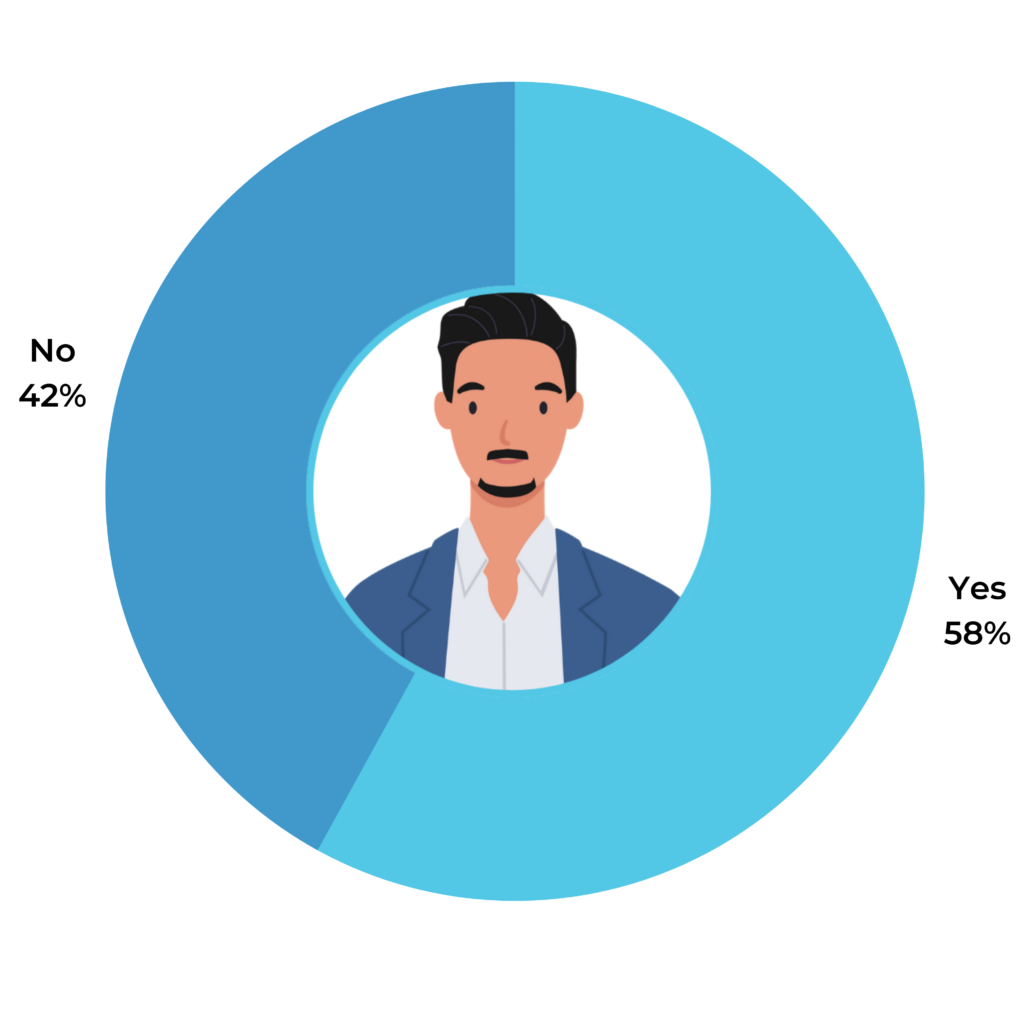
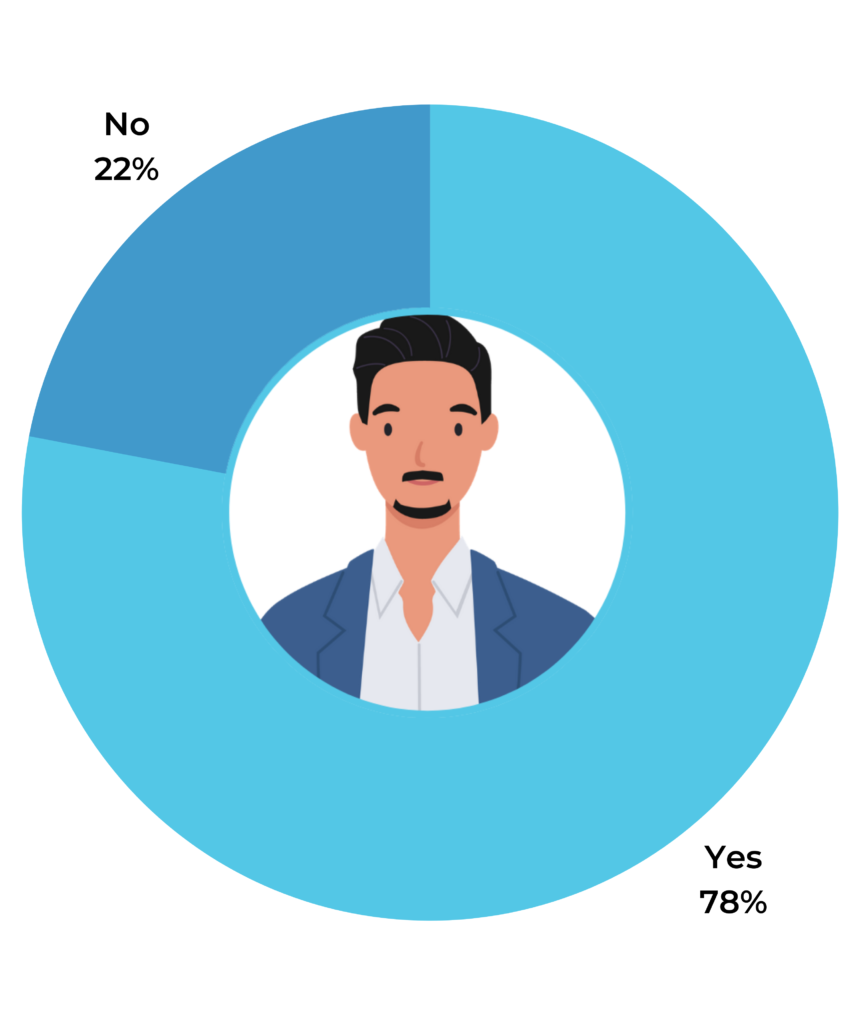
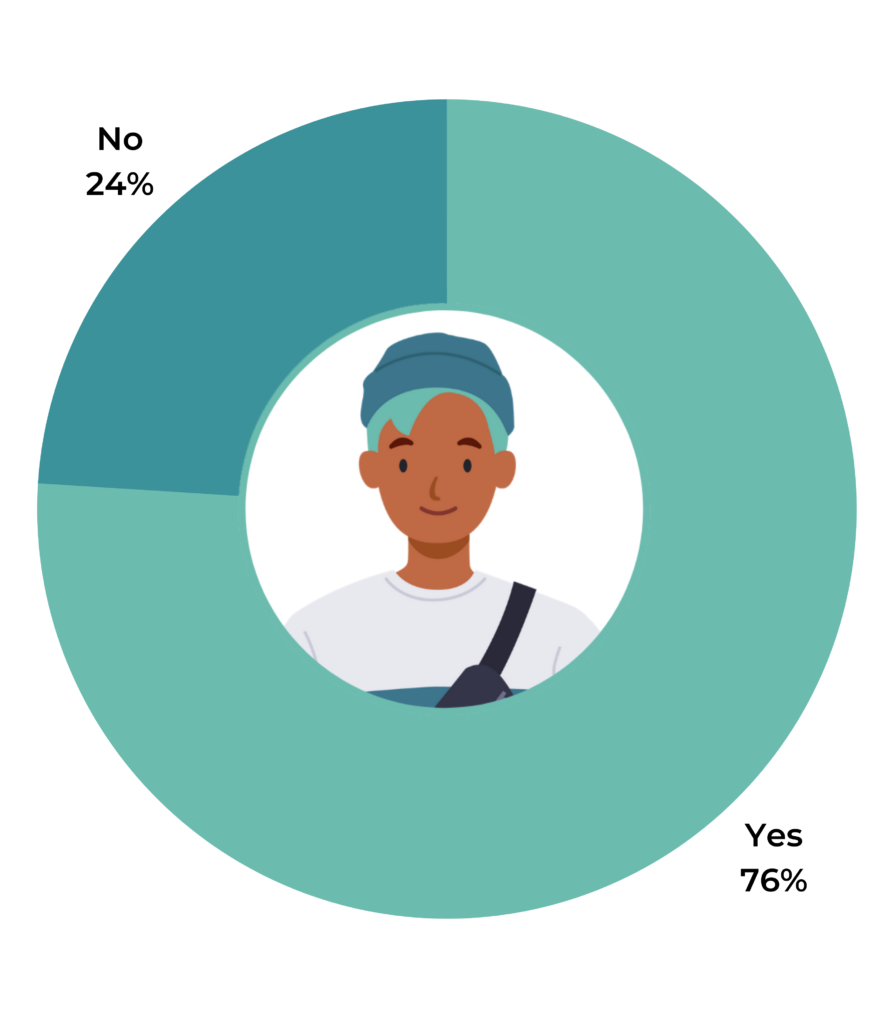
- 79% of consumers specifically seek out websites with product reviews, upwards from 63% in 2018. Millennials are the generation most likely to seek out websites with product reviews — 85% practice so.
- The about pop places for shoppers to read reviews include Amazon (95%) retailer websites (93%), brand websites (68%) and search engines (65%).
Review quality, quantity, and recency all matter to shoppers.
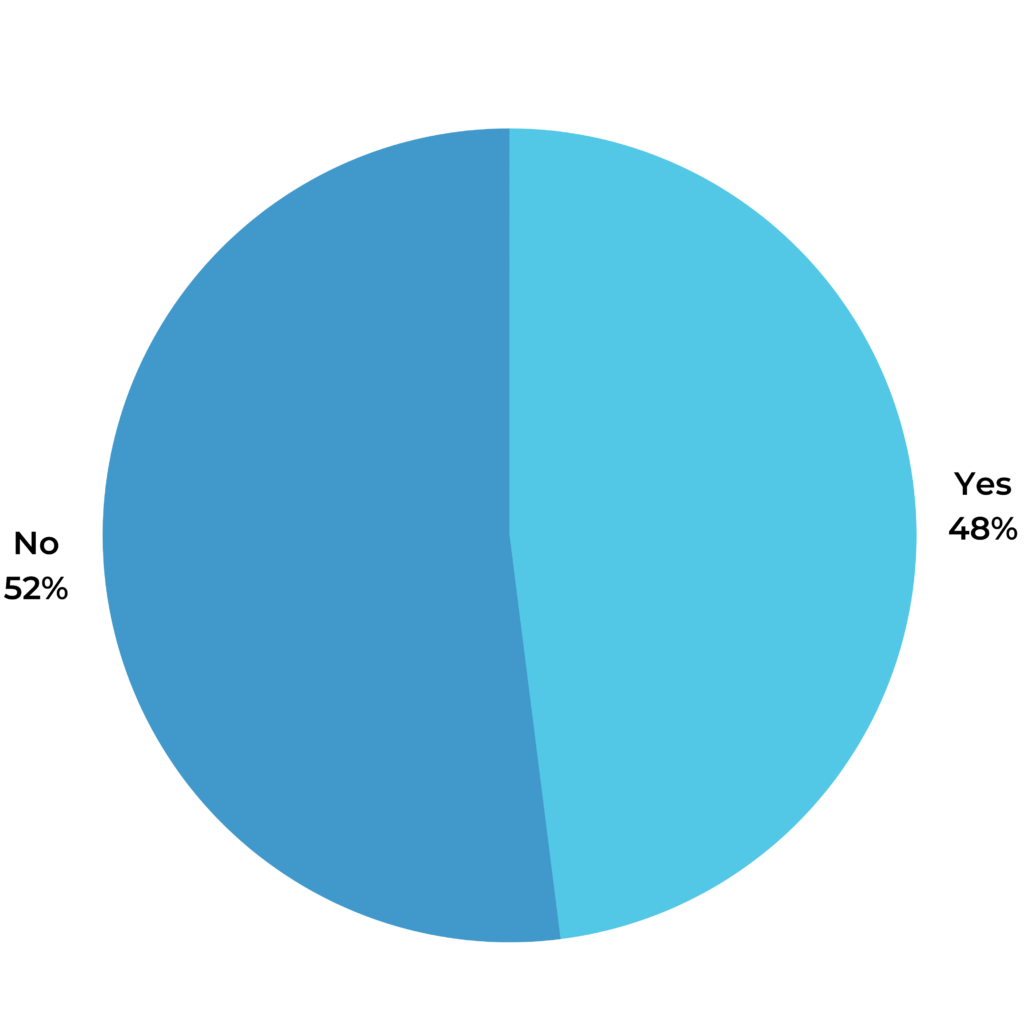
- 77% of consumers say the average star rating is an element they consider when reading reviews. But 52% don't trust star ratings without accompanying review content.
- The greatest portion of consumers (53%) read between i and ten reviews. Yet 68% say that in an ideal earth, a product would take 26 or more reviews.
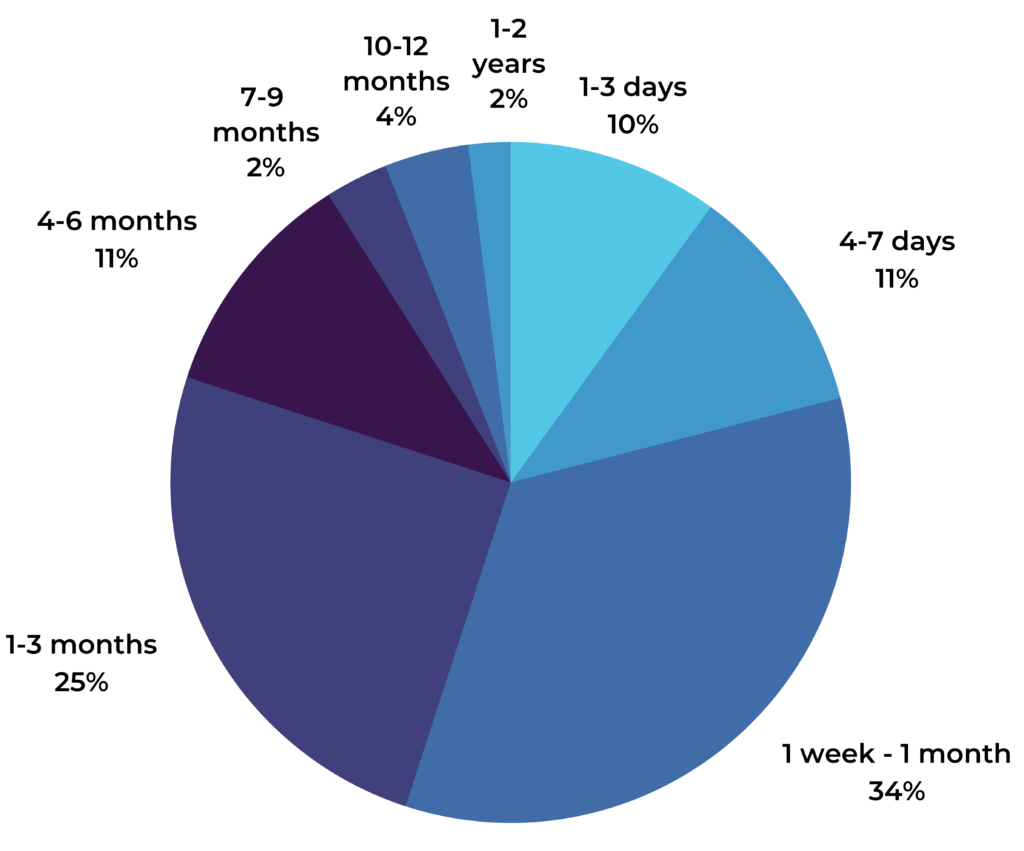
- 71% consider recency when reading reviews. The biggest portion of shoppers (34%) look for reviews for a production that are betwixt a week and a month old. A quarter expect for reviews that are between one to iii months old.
Negative reviews are an important tool for mod shoppers.
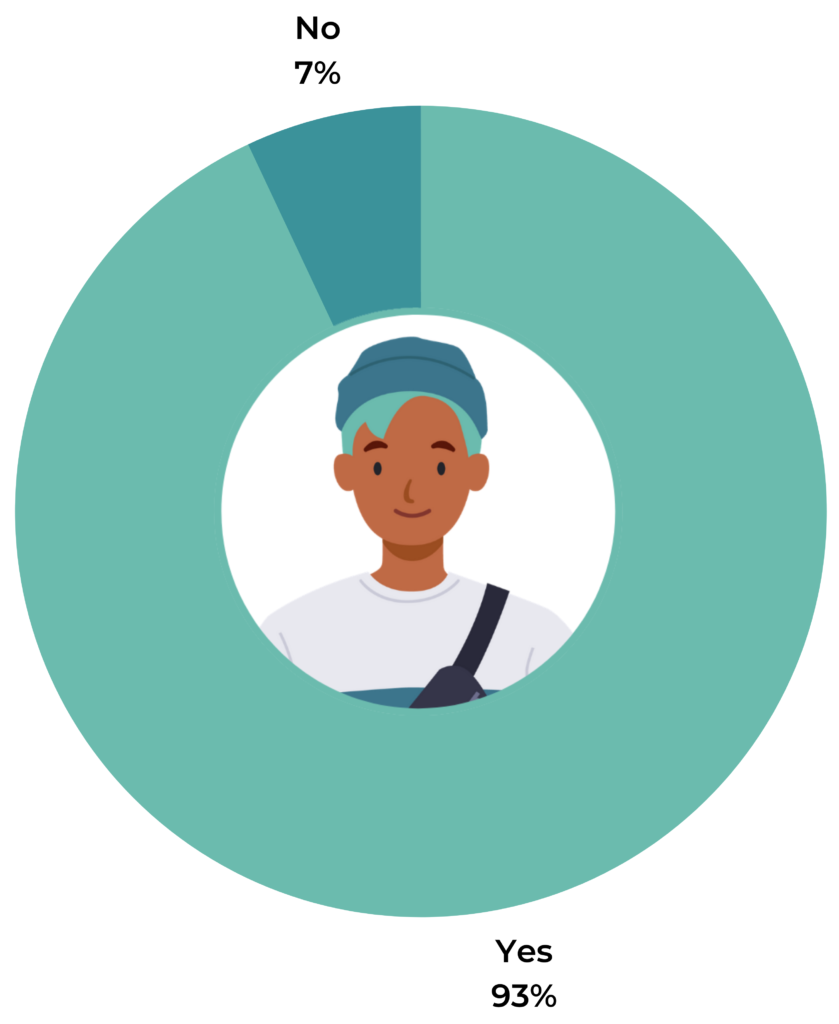
- 96% of consumers specifically await for negative reviews at least sometimes. In 2018, that number was 85%.
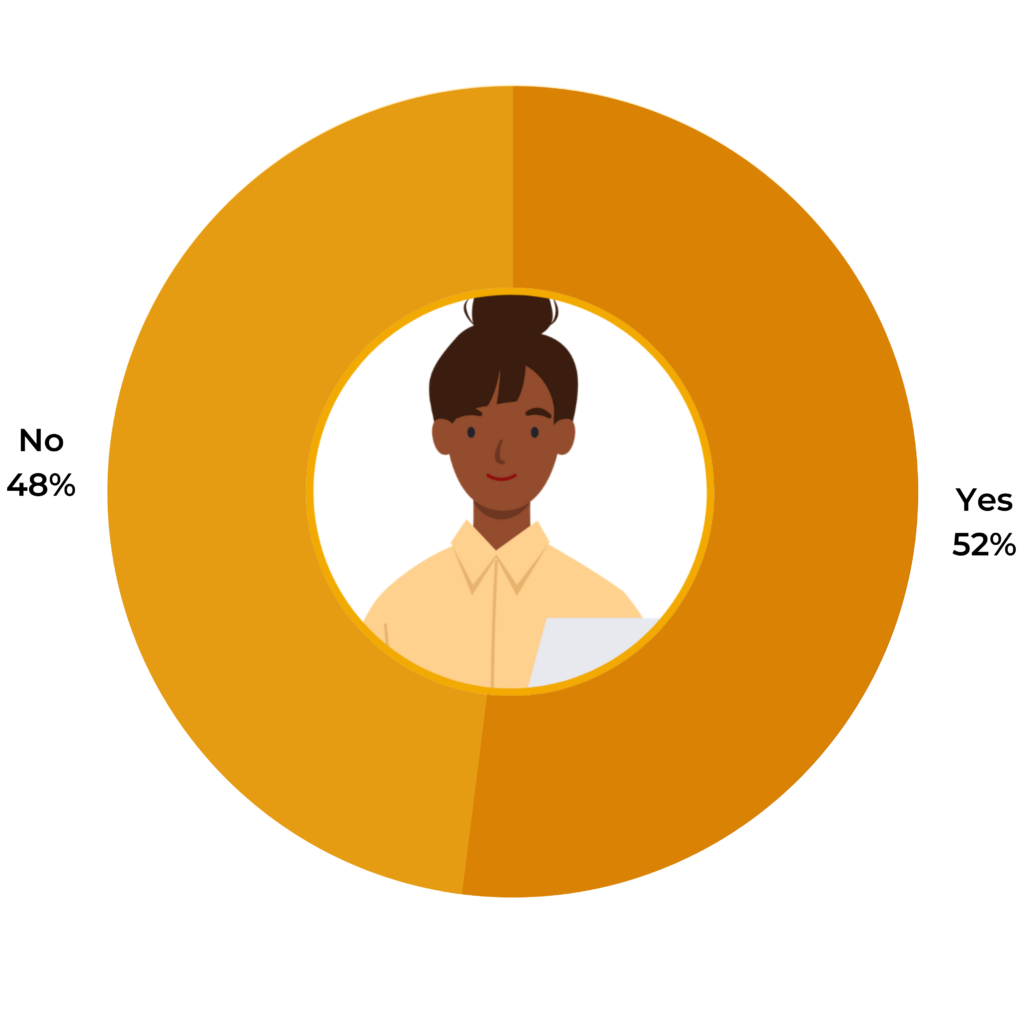
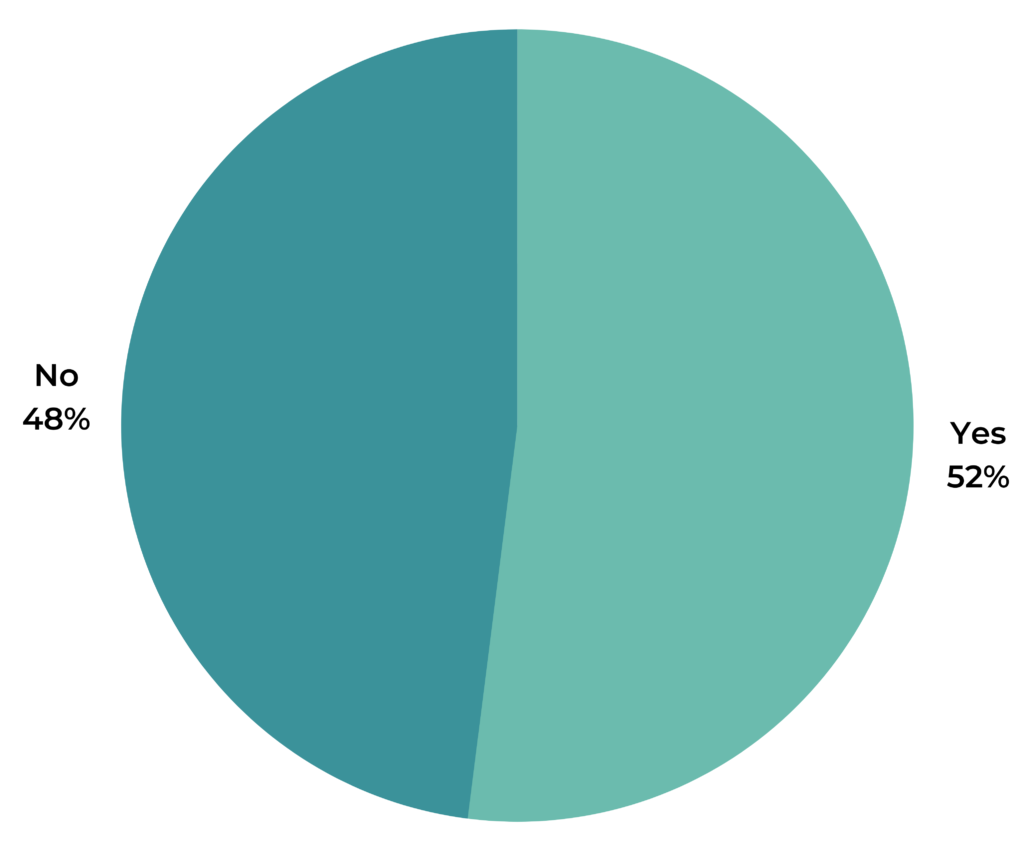
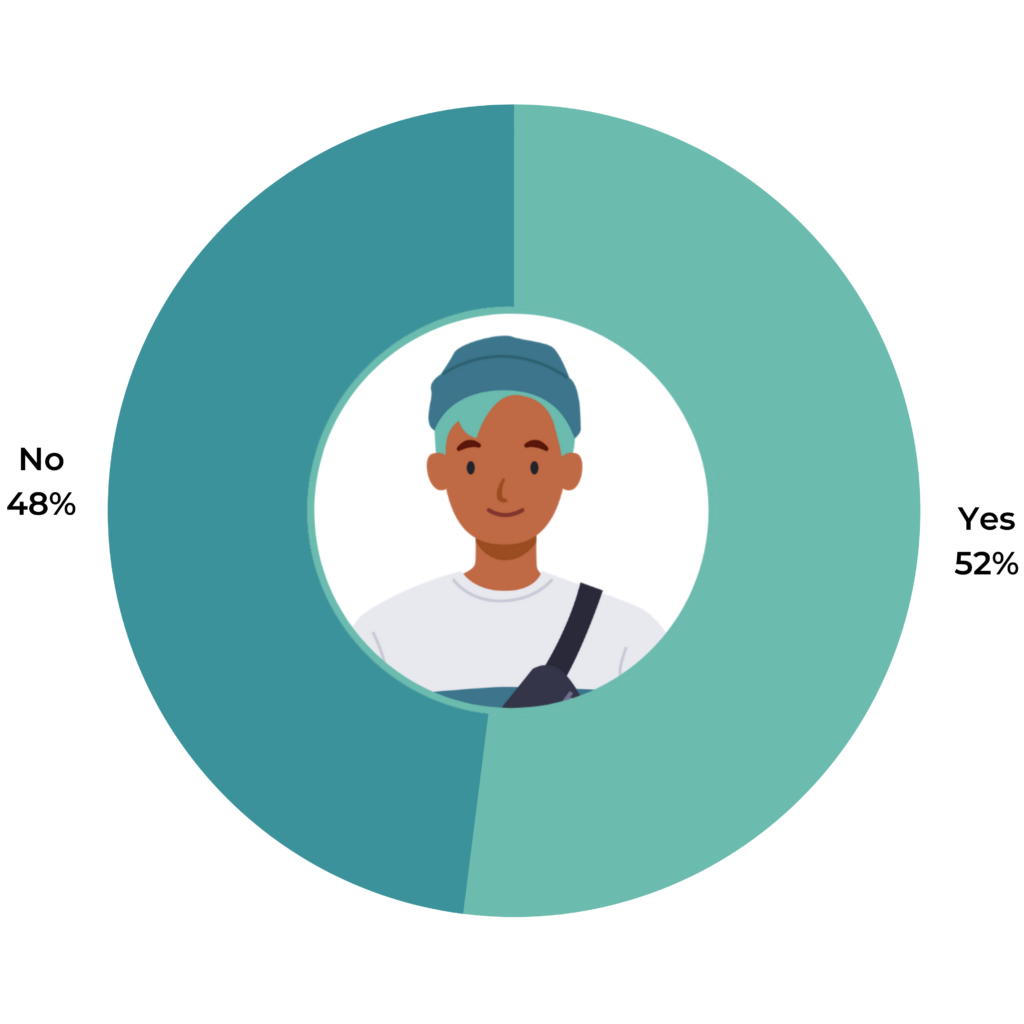
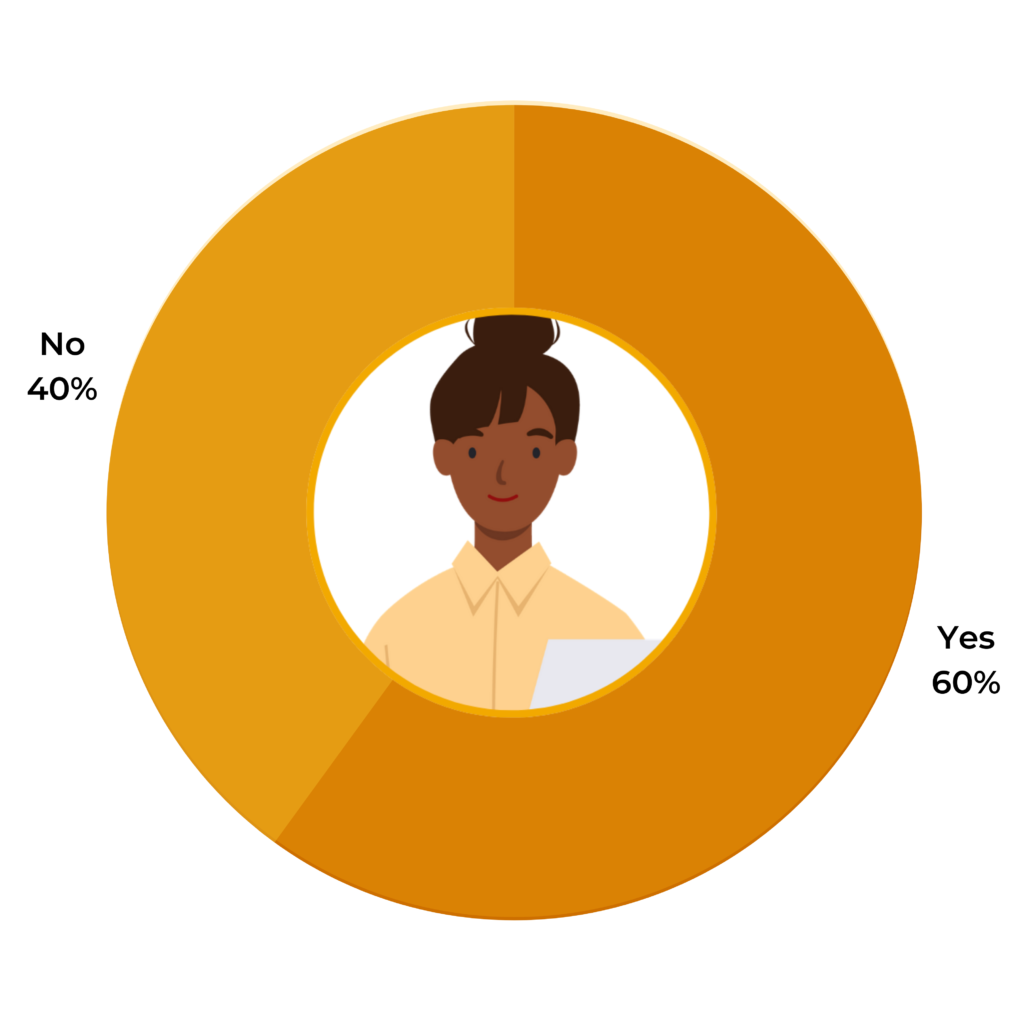
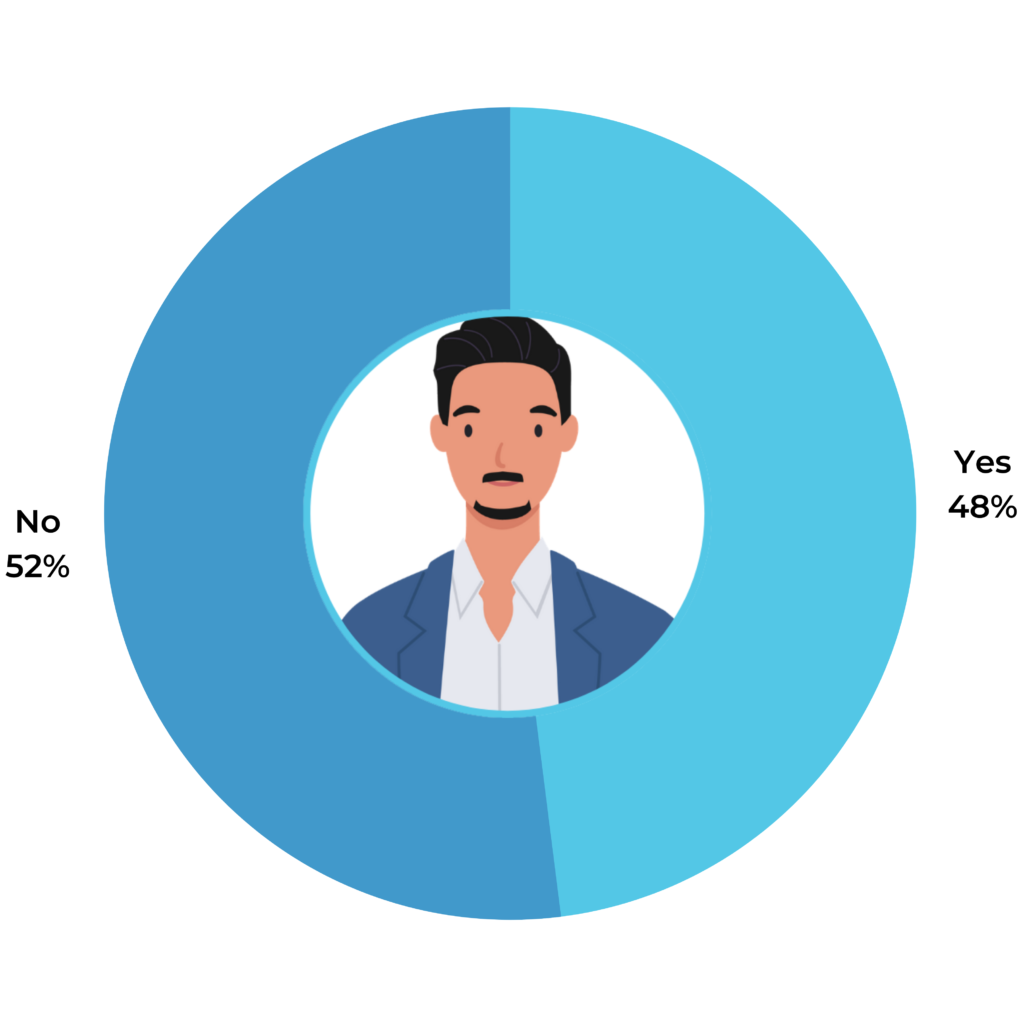
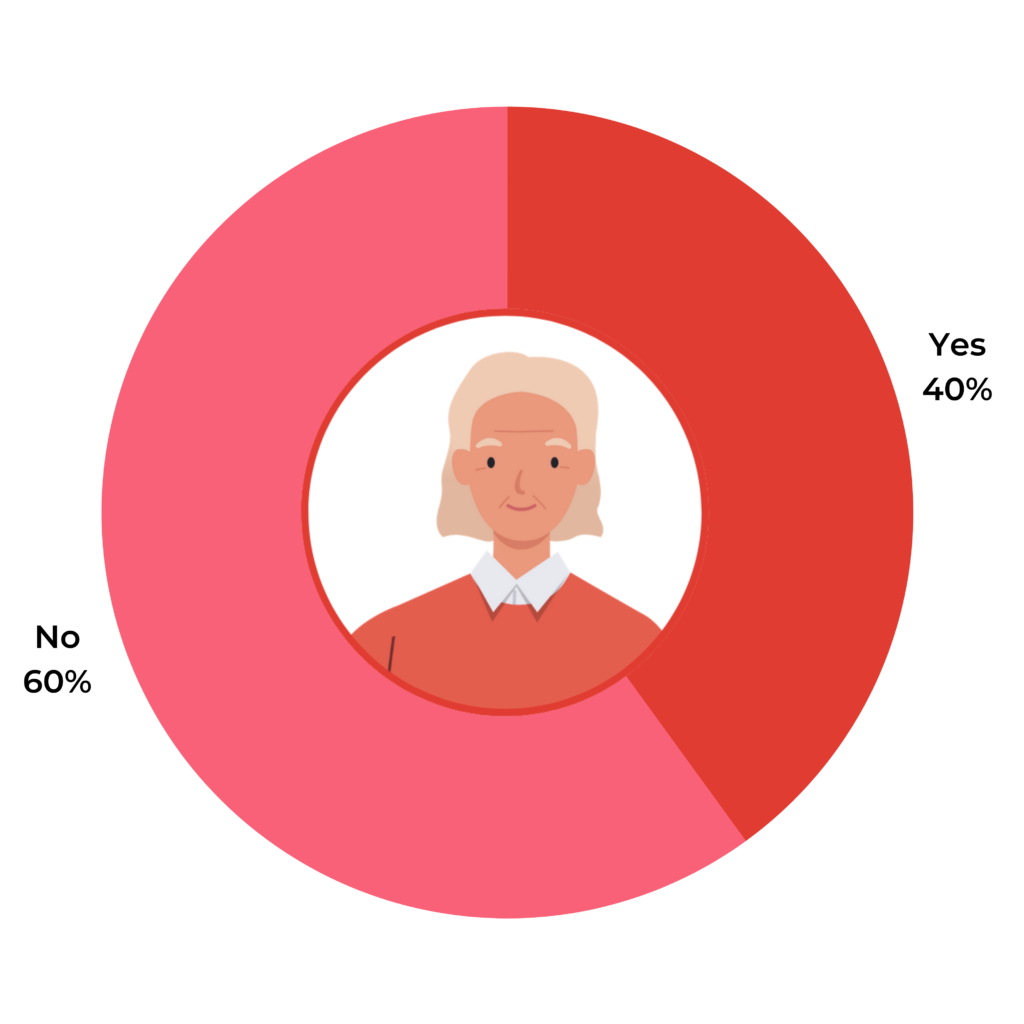
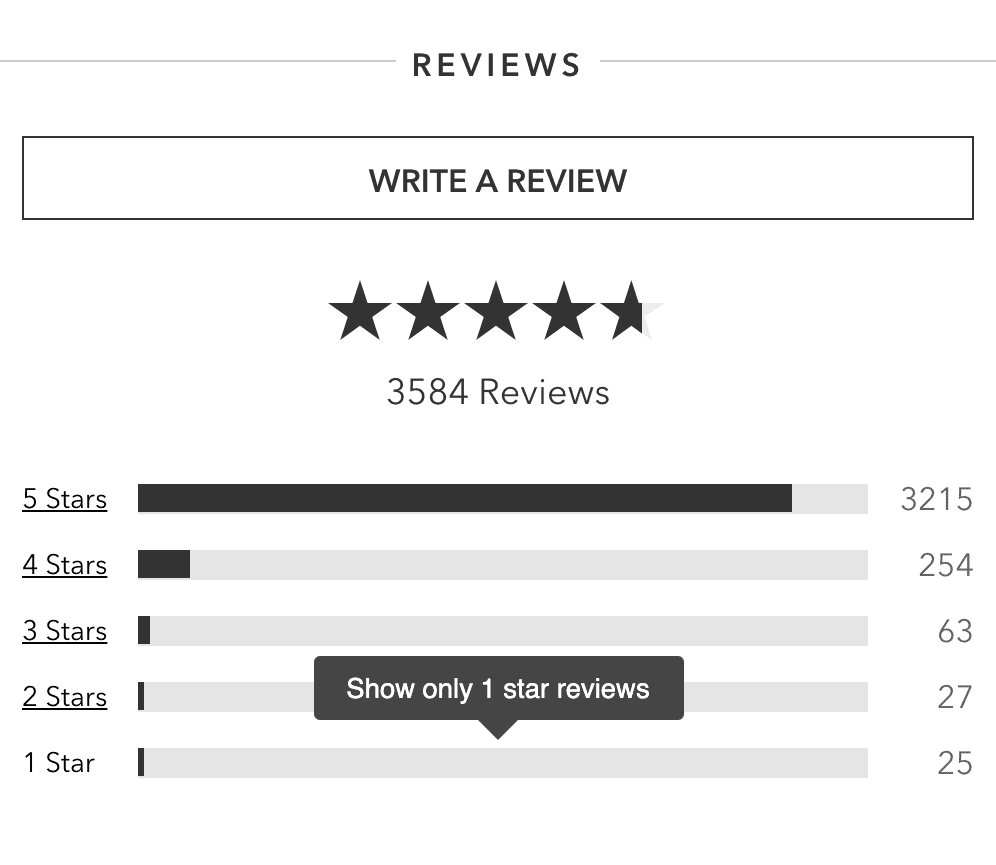
- Over one-half (52%) of shoppers specifically seek out 1-star reviews. This number is even higher — 60% — amongst Millennial shoppers.
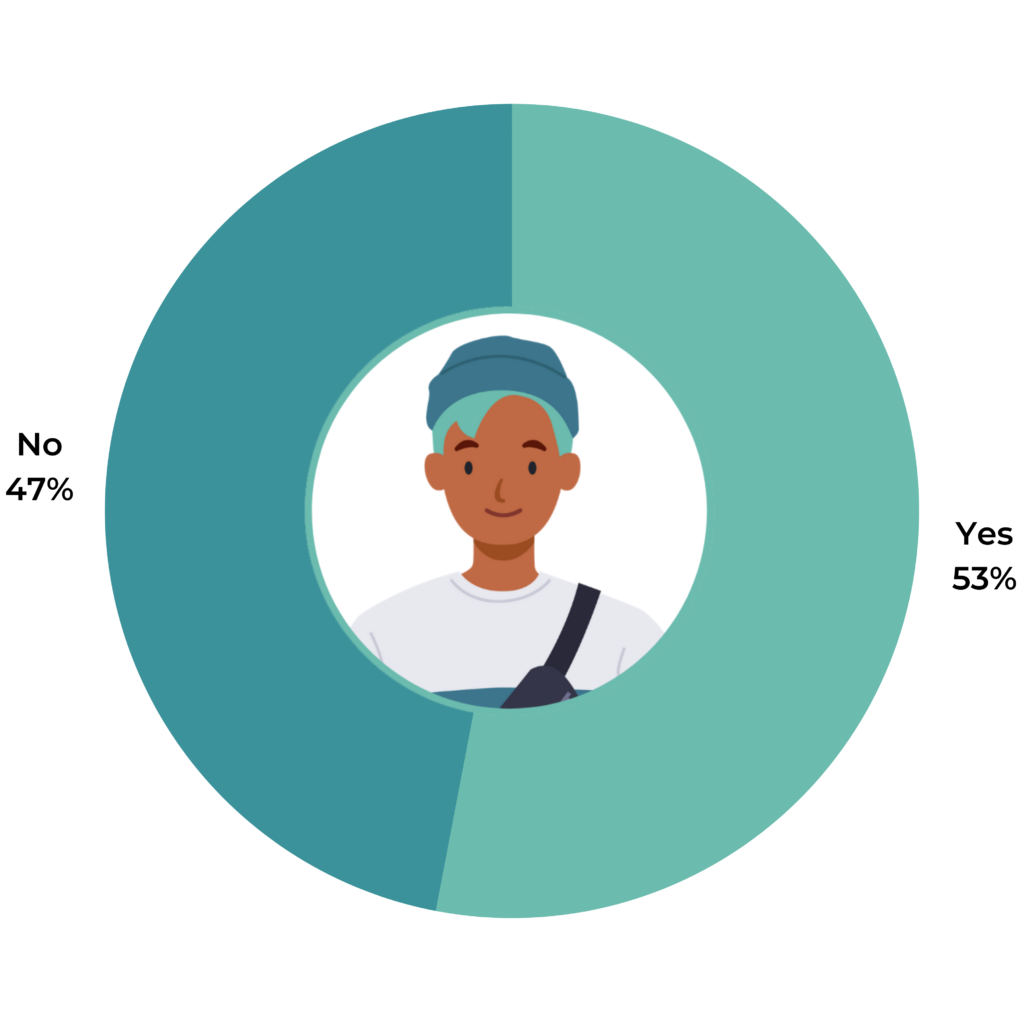
- 46% of shoppers are suspicious of products with an average star rating of v out of five. This number is even higher — 53% — amid Gen Z shoppers.
In the long history of commerce, reviews are a adequately new concept. Merely it'south one that's certainly caught on speedily.
Today, it's common for consumers to consult reviews when they're shopping for products, looking for restaurants, weighing their options for their side by side holiday, or fifty-fifty selecting a intendance provider for their child. And that's just a few of the many scenarios in which people seek out reviews to guide decisions.
Consumer dependence on reviews continues to grow. When we surveyed consumers in 2018, we found that 97% consulted reviews — and 89% considered this content to exist an essential component of the purchase journey.
Today, nearly all consumers — 99.9% — read reviews, and 98% consider them to exist essential. That'south because reviews are an authentic, unbiased source of information that empowers shoppers to make informed purchase decisions.
A growing number of consumers value reviews. As such, brands and retailers must make it a priority to provide piece of cake access to this content. In fact, according to Forrester, reviews take become tabular array stakes.
"Reviews are just table stakes now. If yous want to sell online, you take to take them — and the more the better."
Sucharita Kodali Chief Analyst, Forrester
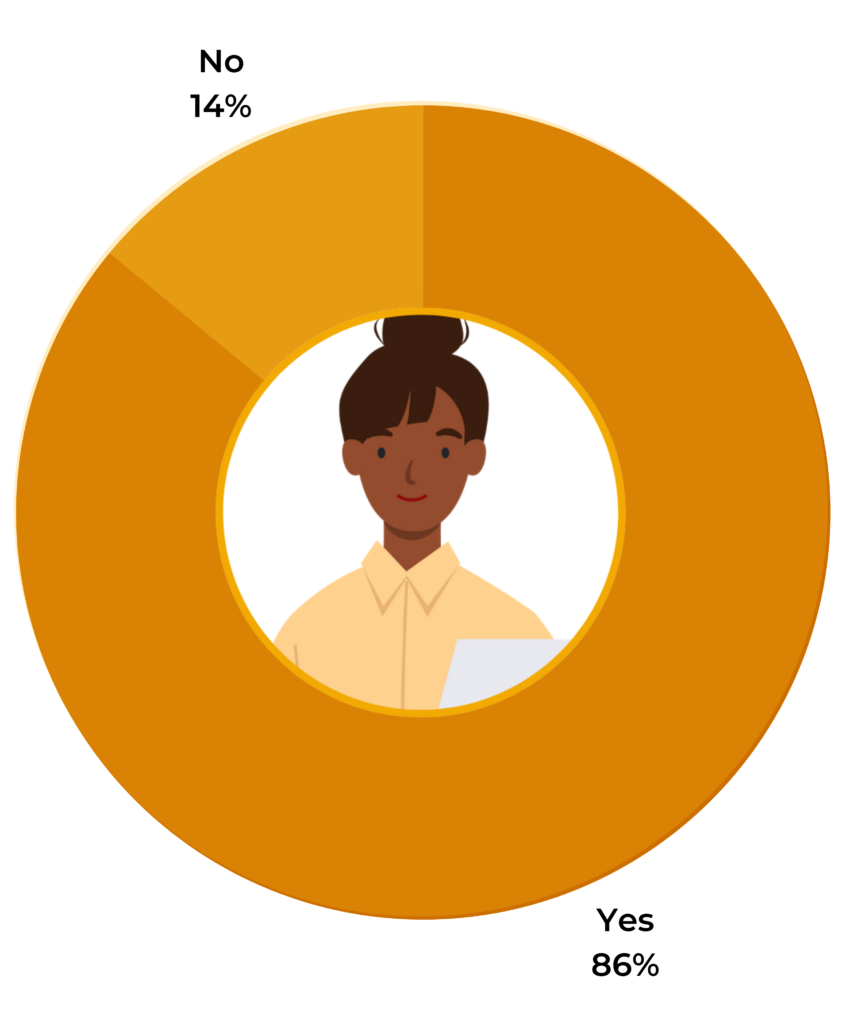
If y'all don't provide your shoppers with the content they seek, you risk losing customers — possibly for good. Every bit you'll see every bit yous read through this report, a staggering 86% of online shoppers (and 51% of those who shop in-store) say they but won't buy products without reading reviews commencement.
Brands and retailers must effectively leverage reviews in gild to concenter and convert shoppers. But outset, it's important to accept a stride back and sympathise the office of reviews in the path to purchase — and how that function has evolved over time.
PowerReviews surveyed more than than half dozen,500 U.Due south. consumers with the goal of understanding the value they place on reviews — and how the presence (or lack of) this content impacts shopping beliefs online and in-shop. We as well wanted to sympathize how the part of ratings and reviews has evolved in the three years since we fielded a similar survey, and you lot'll find comparisons noted throughout this report.
This report shares the findings from this survey and offers information-based recommendations for brands and retailers looking to more effectively leverage reviews to run across customer expectations and – in doing and so – boost their bottom lines.
Traditionally, if a consumer wanted to hear well-nigh the experiences of other shoppers, they'd inquire their family and friends. But today, a growing number of consumers seek out the opinions of fellow shoppers by reading reviews.
Over the concluding decade, ecommerce has experienced significant growth in line with the increasing influence of applied science and the net on everyday lives.
At the aforementioned time, shopper dependence on reviews has also grown. And this is no coincidence. When consumers are shopping online, they don't accept the opportunity to run across and touch a product in person before making a purchase. So reading well-nigh the experiences of others like them becomes more important.
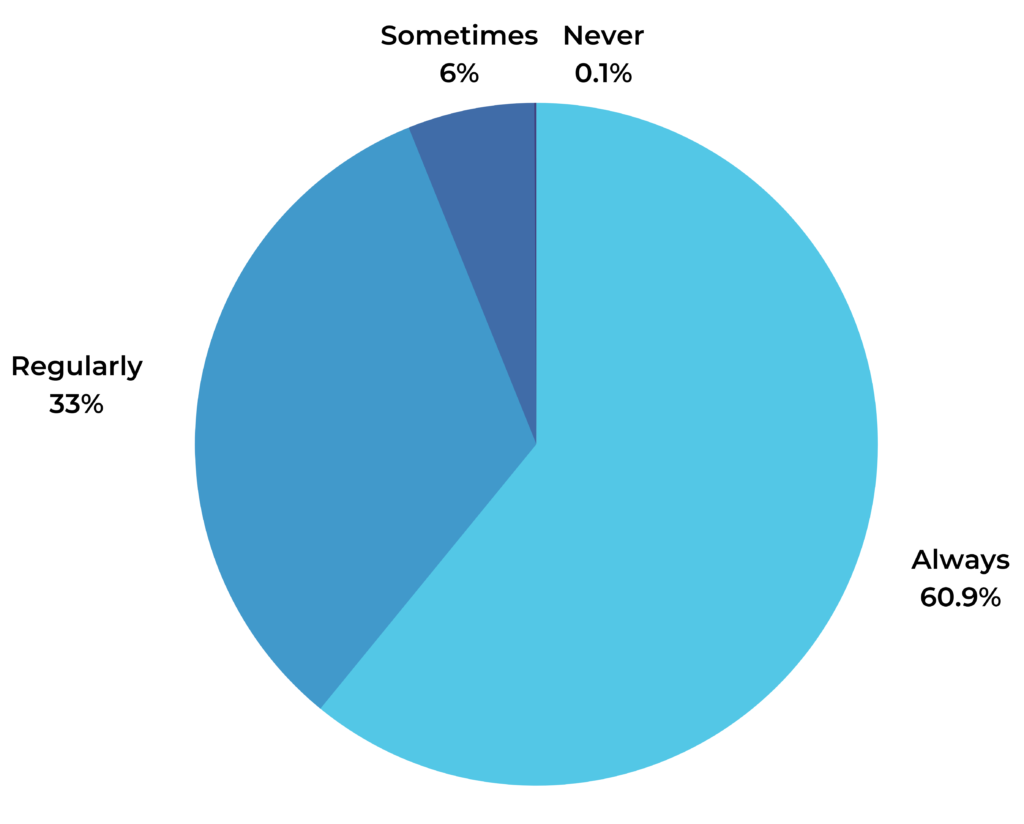
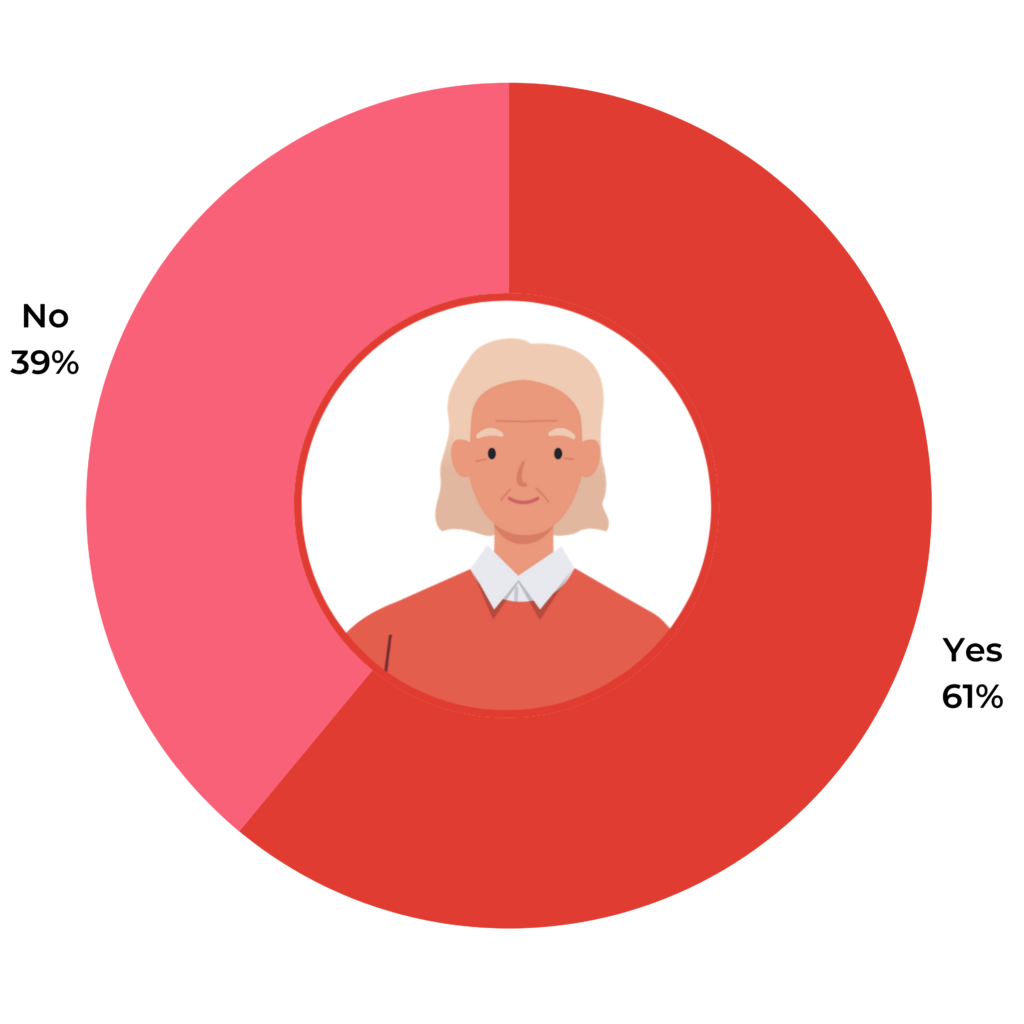
In 2018, 97% of consumers consulted product reviews when making purchase decisions, up two percentage points from 2014. Today, 99.ix% of consumers say they read reviews when shopping online at least sometimes. Of those shoppers, 61% say they e'er read reviews and a 3rd betoken they do then regularly.
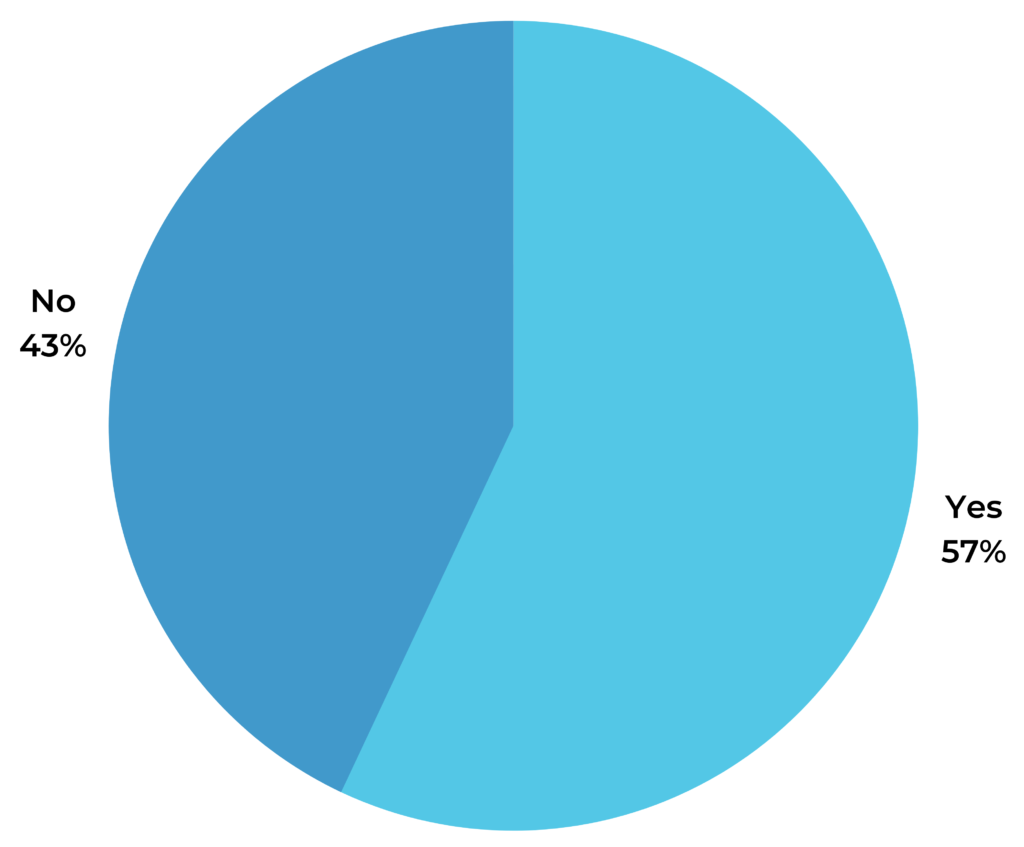
Clearly, reviews are important for online shoppers. But consumers too turn to reviews when they're shopping in physical store locations. In fact, over half (57%) of shoppers indicate they read reviews while shopping in brick-and-mortar stores to assess potential purchases.
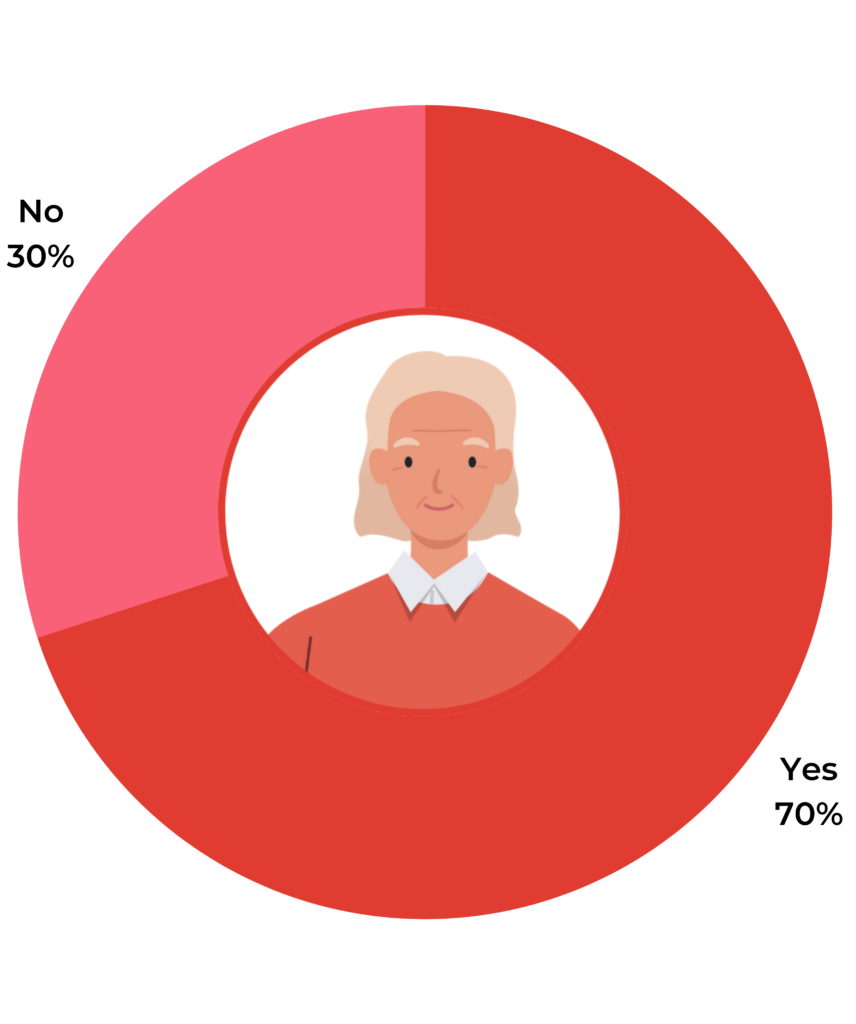
Of note, Millennials are the generation nearly probable to check reviews while shopping in-store. 63% do and so. In comparison, just over a third of Boomers read reviews in-shop.
Reviews have get an important tool for online and in-shop shoppers alike. Customer-centric brands and retailers must ensure shoppers can easily access review content — regardless of the device they utilize to shop.
We know that well-nigh all online shoppers read reviews — and one-half of in-shop shoppers do and then. This content too has a potent influence on buy behavior.
At that place are myriad factors shoppers must weigh when making purchase decisions, including price, brand and return policy — just to name a few. Merely which factors comport the about weight when it comes fourth dimension to brand a purchase decision?
In yr's past, consumers indicated that reviews were the second most important gene — with price being the top consideration. But this yr, we found that ratings and reviews take actually surpassed cost as a top buy consideration!
The presence of reviews too has a bigger impact on purchase behavior than other important factors including free shipping, brand and fifty-fifty recommendations from family and friends.
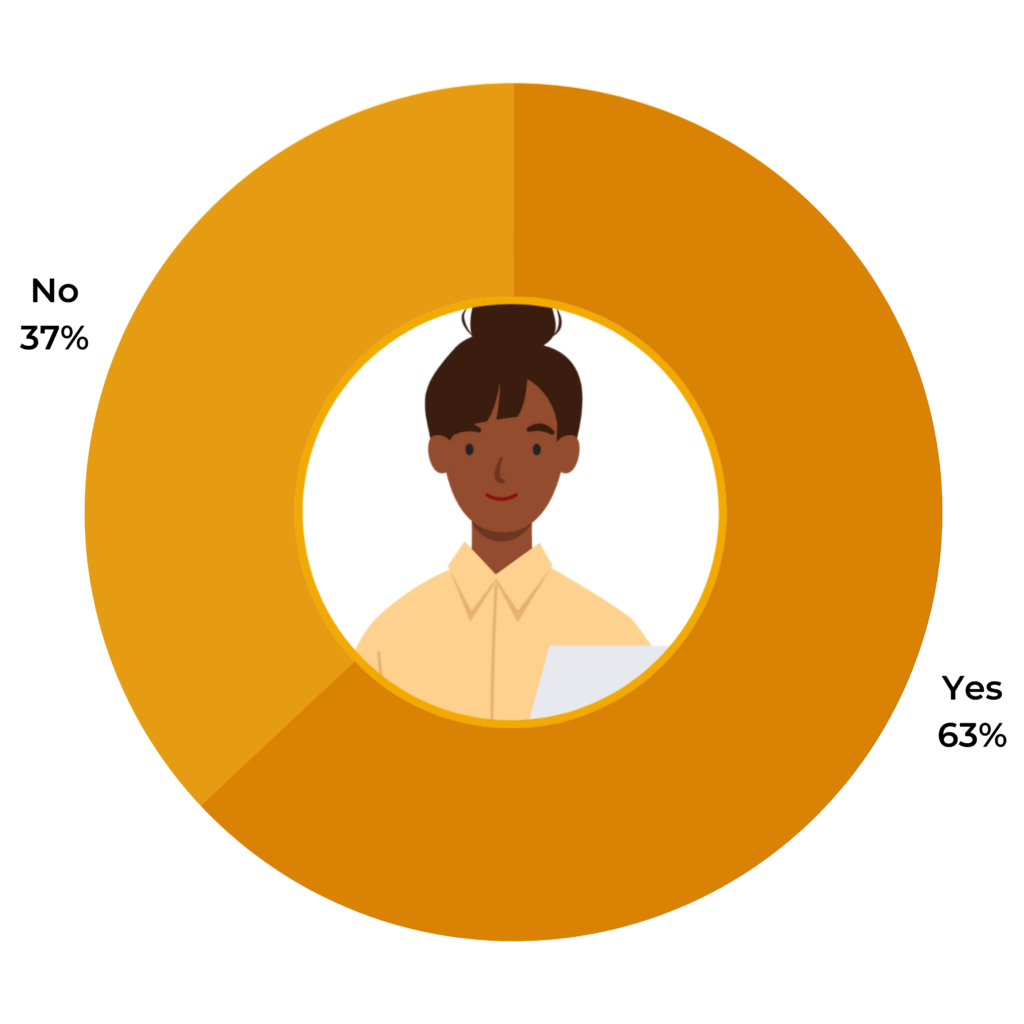
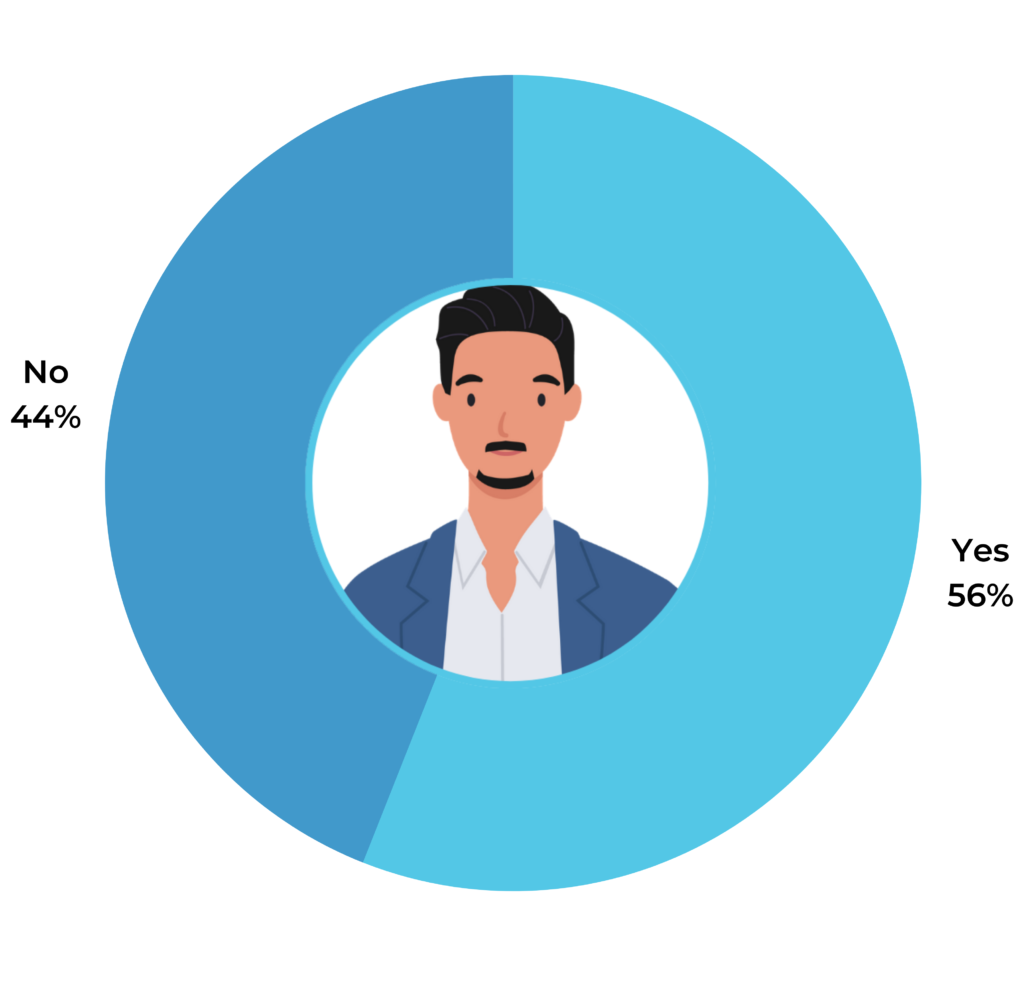
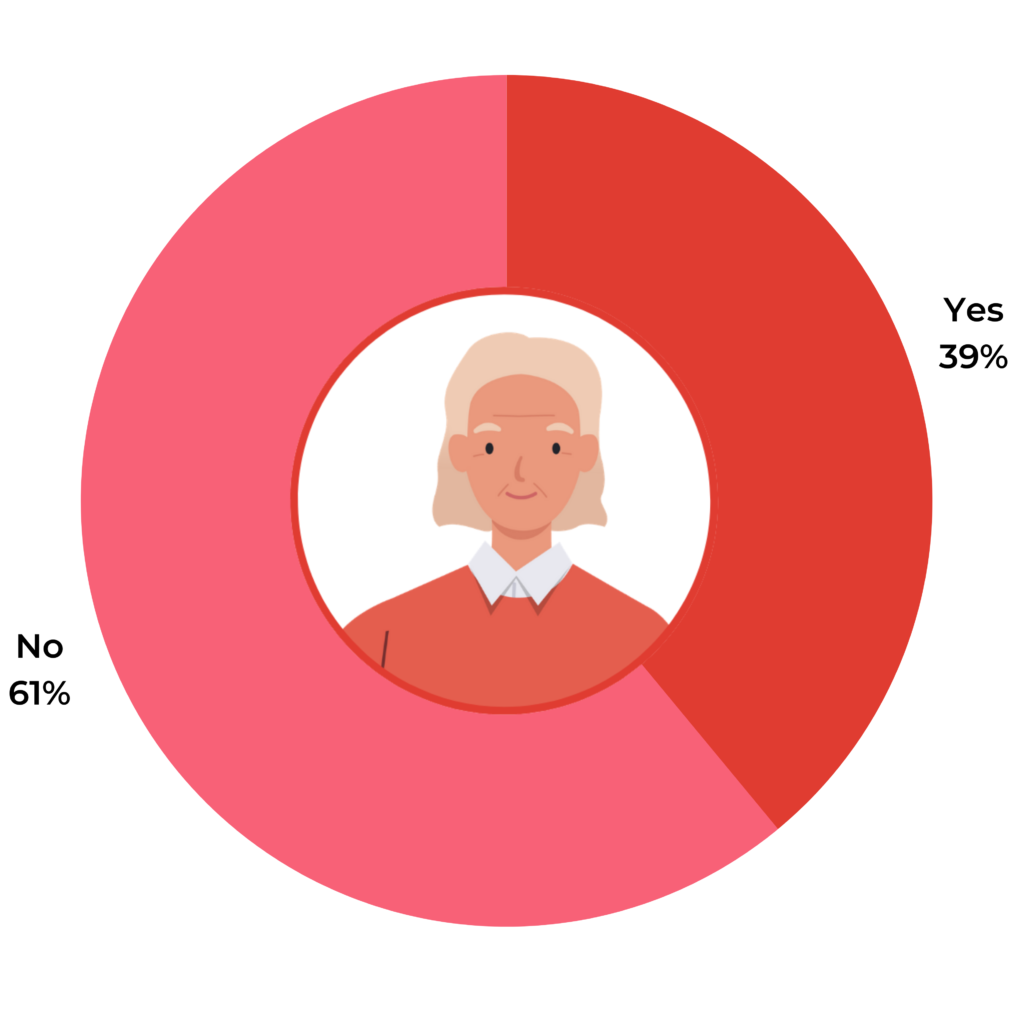
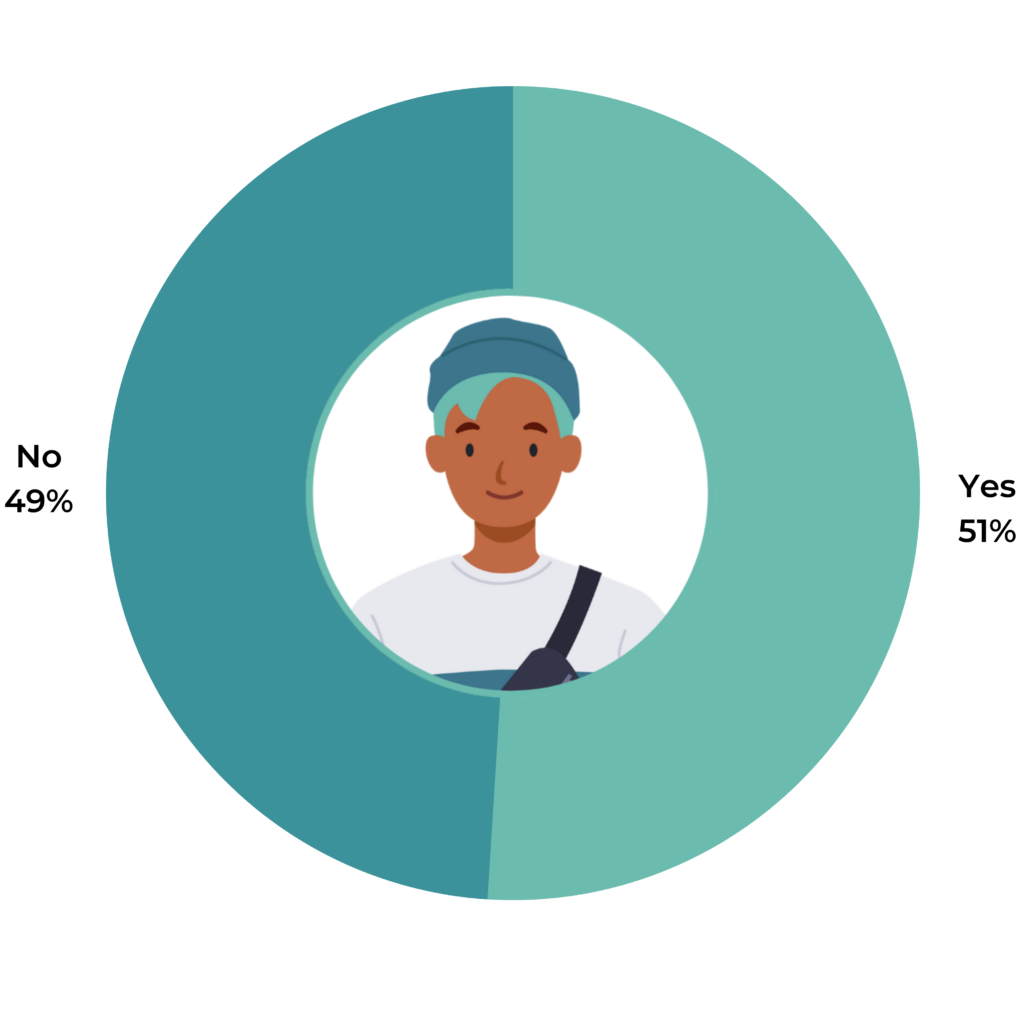
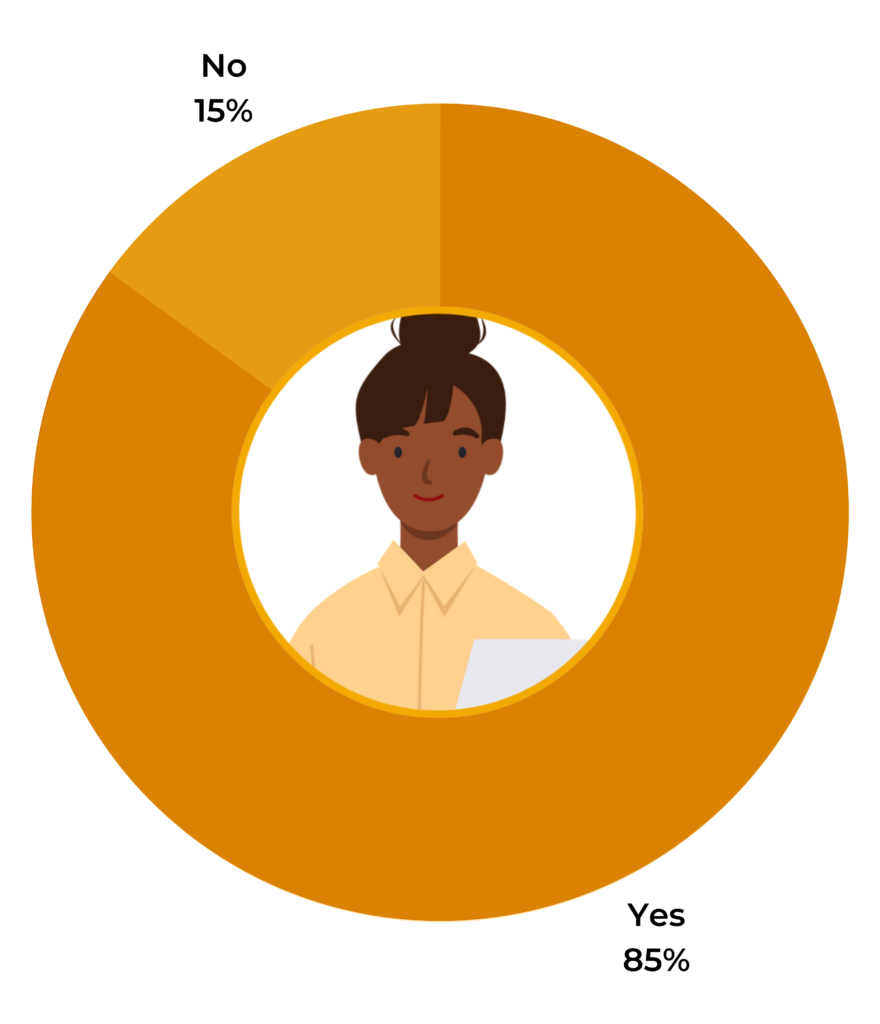
Reviews are then influential that many shoppers but won't make purchases without reading this content first. In fact, 86% of consumers don't purchase products online without reading reviews, up from 70% in 2018.
And today, 51% don't buy products in brick-and-mortar stores without first reading reviews. In comparison, but over a third (39%) of shoppers indicated this was the instance in 2018.
What'southward more than, almost one-half (44%) of consumers won't purchase a product if there are no ratings or reviews bachelor for information technology. Younger generations — Gen Z and Millennials — are even more than likely to abandon a purchase if there are no reviews available for a product they're considering.
However, it's worth noting that 59% of shoppers signal they're more than likely to buy a production without reviews if other products from the same make have high overall ratings. Of grade, it'south important to generate reviews across your entire production itemize. However, information technology's clear that a strong online reputation can help yous earn the trust of shoppers — even when y'all haven't nevertheless generated reviews for a given production.
Reviews empower consumers to make informed purchase decisions, whether they're shopping online or in-shop. But are there sure circumstances when reviews are peculiarly important?
There's a certain amount of risk involved with buying a new production. No affair how much research a shopper has washed, there'southward no sure way of knowing that a product will fit their needs. The gamble is even college if the product is expensive.
So it'south probably not surprising that 80% of consumers indicate that the more expensive a product is, the more they read reviews. This aligns with research we did with Northwestern University , which institute that reviews are especially impactful for high consideration items, which are divers as those that pose a risk due to a number of factors, including expense.
Interestingly, the higher a consumer's income, the more likely they are to agree that the more expensive the product, the more they read reviews.
In add-on, the younger the consumer, the more than likely they are to indicate that they read more reviews for expensive products.
Consumers turn to reviews when shopping for a variety of different types of products. But do reviews matter more for specific product categories?
The meridian product category for review consumption is electronics; 95% of consumers bespeak that reviews are helpful when shopping for these products. Electronics are typically loftier priced products, so this aligns with our previous finding about reviews being more important for expensive items.
Consumers also value reviews for categories including appliances (87%), wellness and beauty (83%), computers (81%), clothing (75%), shoes (68%), domicile and garden (67%), toys (54%), groceries (42%) and baby (40%).
Clearly, reviews matter beyond a wide assortment of product categories. Then it's essential to collect and display enough of this content, regardless of the types of products you sell.
The presence of reviews impacts where consumers choose to shop. And when they shop on websites and apps with reviews, they're more likely to convert.
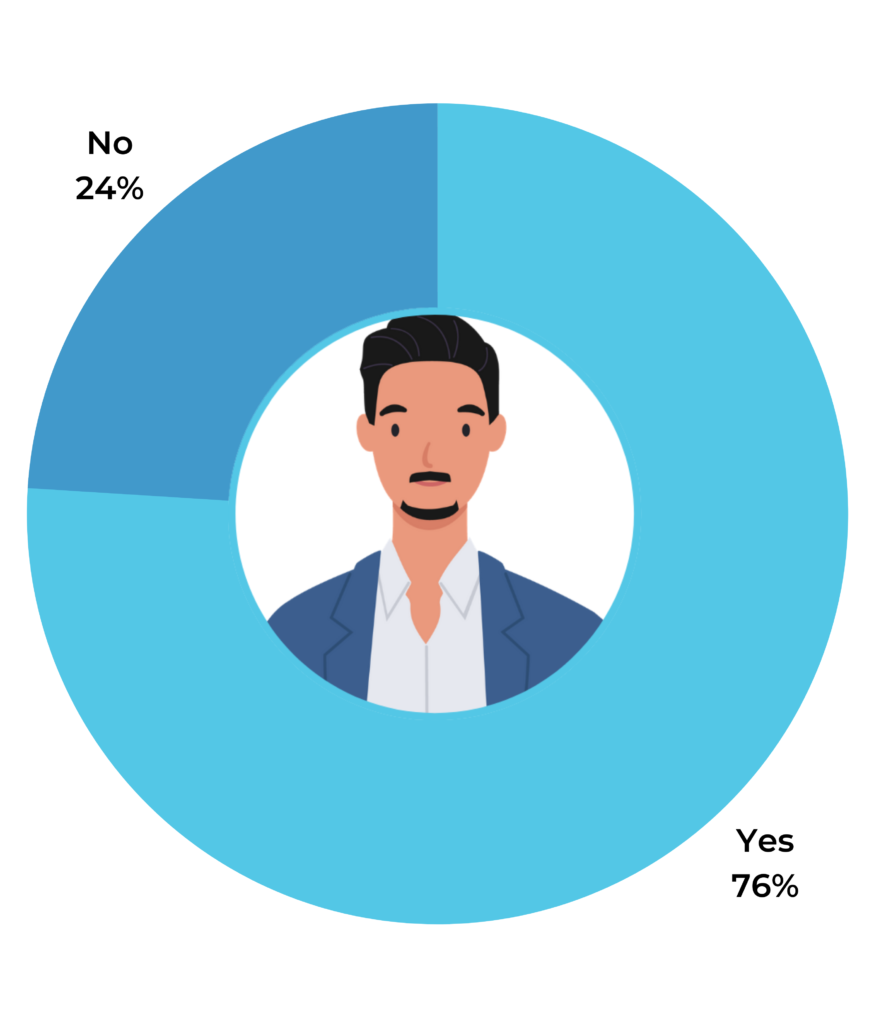
When shopping online, 79% of consumers specifically seek out websites with product reviews. This is upward from 63% in 2018 and 57% in 2014.
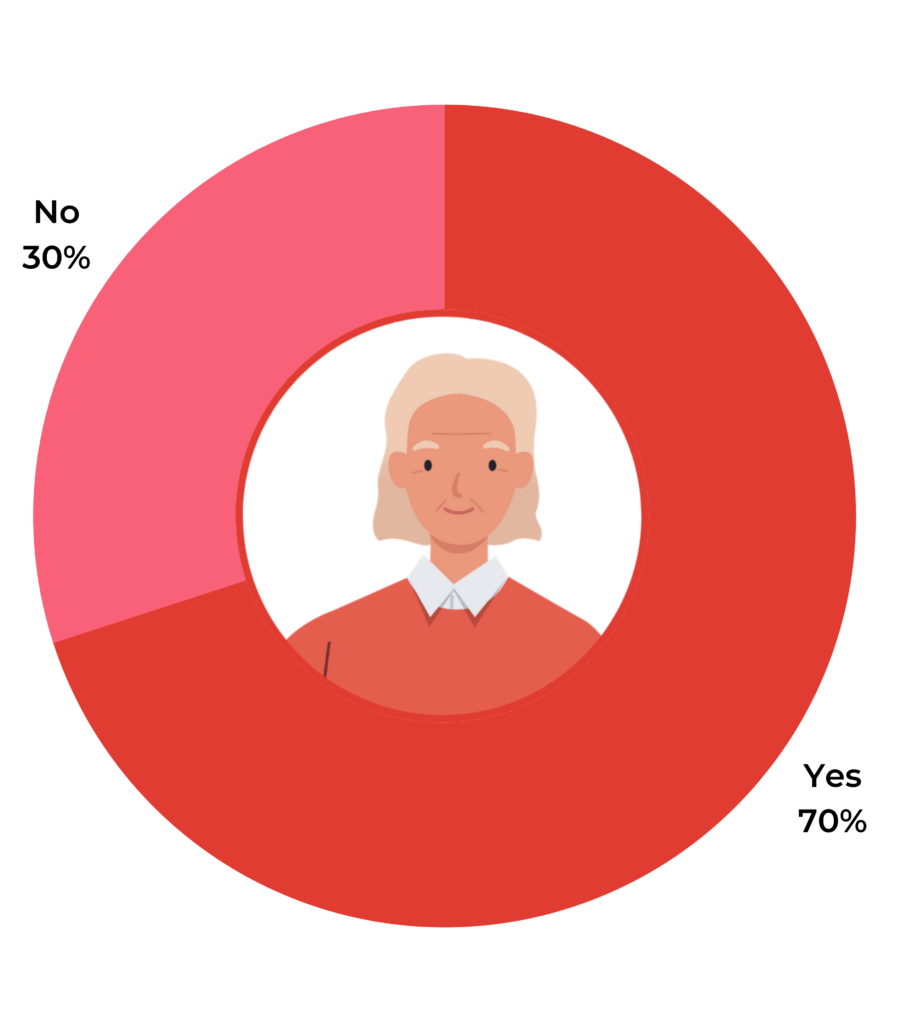
Notably, 85% of Millennials seek out websites with reviews, compared to lxx% of Boomers.
And when mobile shoppers notice reviews, they're more than likely to convert. 88% of consumers bespeak they're more probable to purchase an detail when shopping from a mobile device if a website or mobile app incorporates production reviews. In 2018, just over three quarters (77%) of mobile shoppers indicated this was the case. And in 2014, the number was 70%.
We know that the majority of shoppers are reading reviews on Amazon, retailer and make sites. Now, permit'due south take a closer wait at how shoppers are engaging with this content once they've constitute information technology.
The majority of online shoppers (and half of in-shop shoppers) read reviews. But how many reviews exercise they typically read before making a purchase?
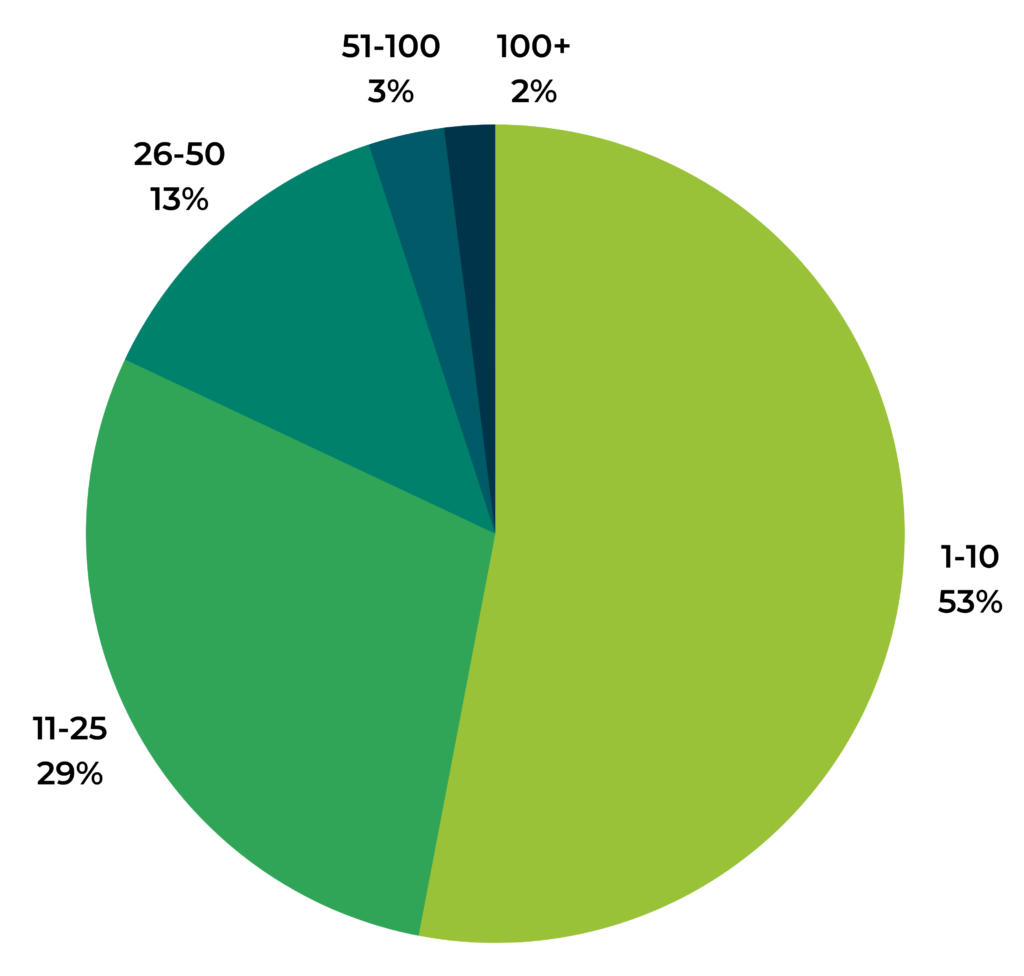
The greatest portion of consumers (53%) read between 1 and x reviews, and an boosted 29% read betwixt 11 and 25 reviews. The remaining 18% of consumers read 26 or more reviews.
Of course, the quantity of reviews a shopper reads varies depending on the product they're purchasing. For example, a shopper probably reads more than reviews when purchasing a calculator than they practise when purchasing a new toothbrush. So it's important for brands to focus both on review coverage (the number of products that have reviews) and review quantity.
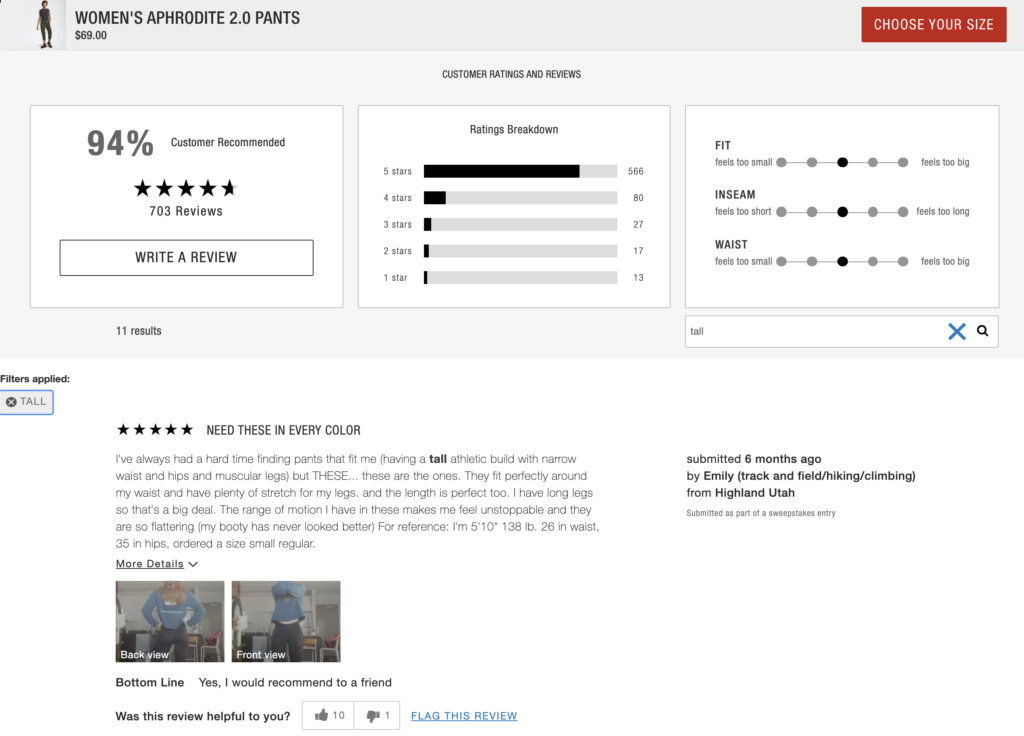
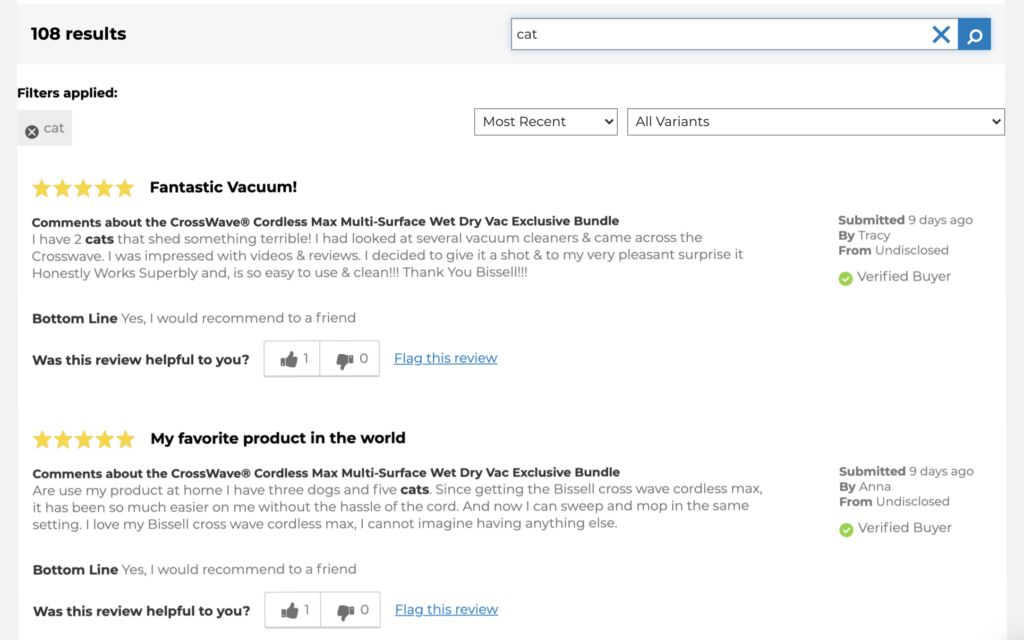
Some review displays offer a search characteristic that allows shoppers to discover existing content that's relevant to them. For example, let'southward say a consumer is shopping for a pair of athletic pants.
She's tall, and she wants to know how a item pair of pants accept worked for others of similar meridian. So she types "tall" into the search box and finds reviews that specifically address this.
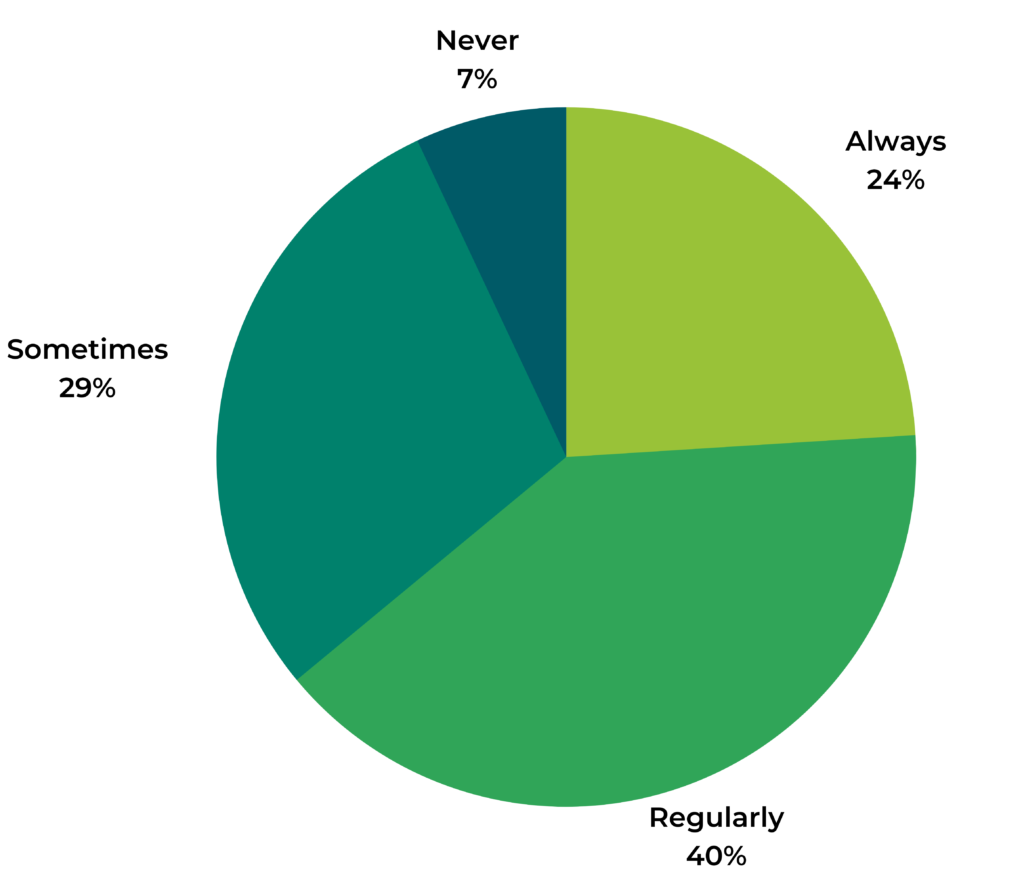
When in that location's a search option available, 93% of consumers indicate they'll use it at to the lowest degree sometimes. And 64% say they employ this feature regularly or always.
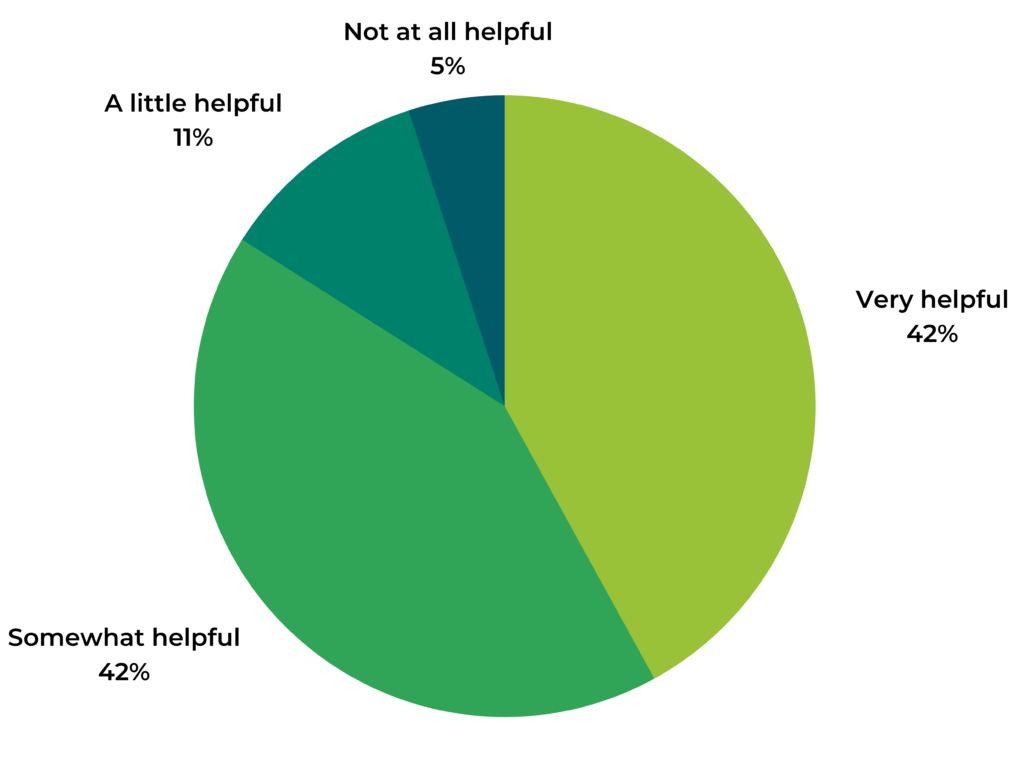
What's more 84% of shoppers observe the search feature at to the lowest degree somewhat helpful when assessing potential purchases. And 42% consider the ability to search through existing reviews to be very helpful.
It'southward corking news that and so many shoppers employ and value review search. After all, our previous analysis of 1.5MM online product pages from more 1,200 make and retailer sites constitute that shoppers who use the search feature on a product page convert at a charge per unit that'southward 202.9% higher than average.
If yous don't already accept search functionality on your review brandish, consider adding it. Doing and so tin can have a significant impact on sales!
Consumers who use the search feature on a product page convert at a charge per unit that's 202.ix% higher than average.
Not all reviews are created equal. For case, a recent, detailed review is typically more valuable to a shopper than an sometime, vague review that's just a few words long.
Let'due south explore the unlike elements of reviews that matter to shoppers — and how these elements bear upon shopping behavior.
As it turns out, consumers consider many elements when reading reviews. The pinnacle option is the average star rating; 77% of shoppers say this is a factor they consider when reading reviews.
Three quarters (75%) consider the quantity of reviews and 71% cistron in the recency of reviews. Other height factors include the length, depth and particular of the review content (56%) and the grammar and spelling within the review content (32%).
Equally y'all might predict, shoppers value a high book of great reviews that yield a high average star rating.
Over three-quarters (77%) of consumers indicate that the boilerplate star rating is an element they consider when reading reviews.
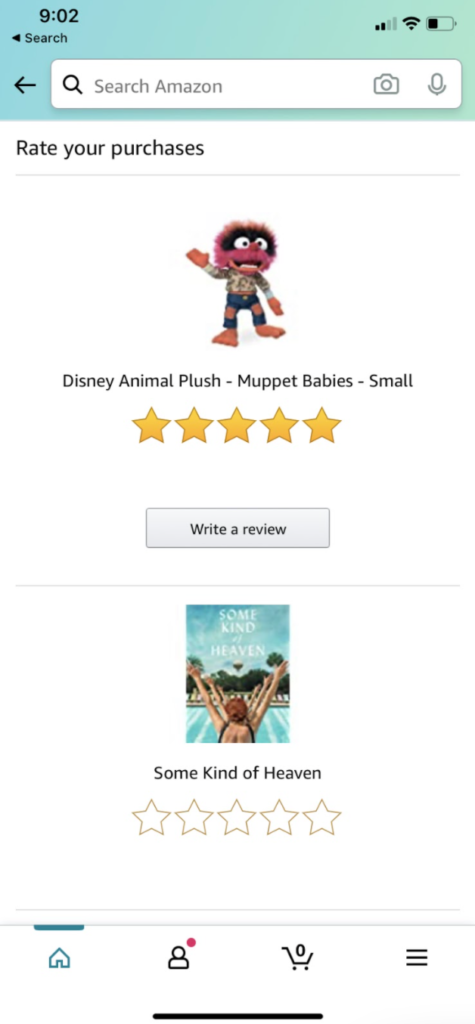
Only star ratings solitary ofttimes aren't enough to earn the trust of shoppers. Some ecommerce sites — including Amazon — offer shoppers the option to leave a star rating, without an accompanying review.
There's no doubt this arroyo ensures a higher volume of ratings. However, over half (52%) of consumers betoken they don't trust this content equally much as they do ratings accompanied past reviews.
Iii-quarters of consumers say that quantity is something they consider when reading reviews. And as mentioned earlier in this report, the largest portion of consumers (53%) typically read between ane and 10 reviews before making a purchase.
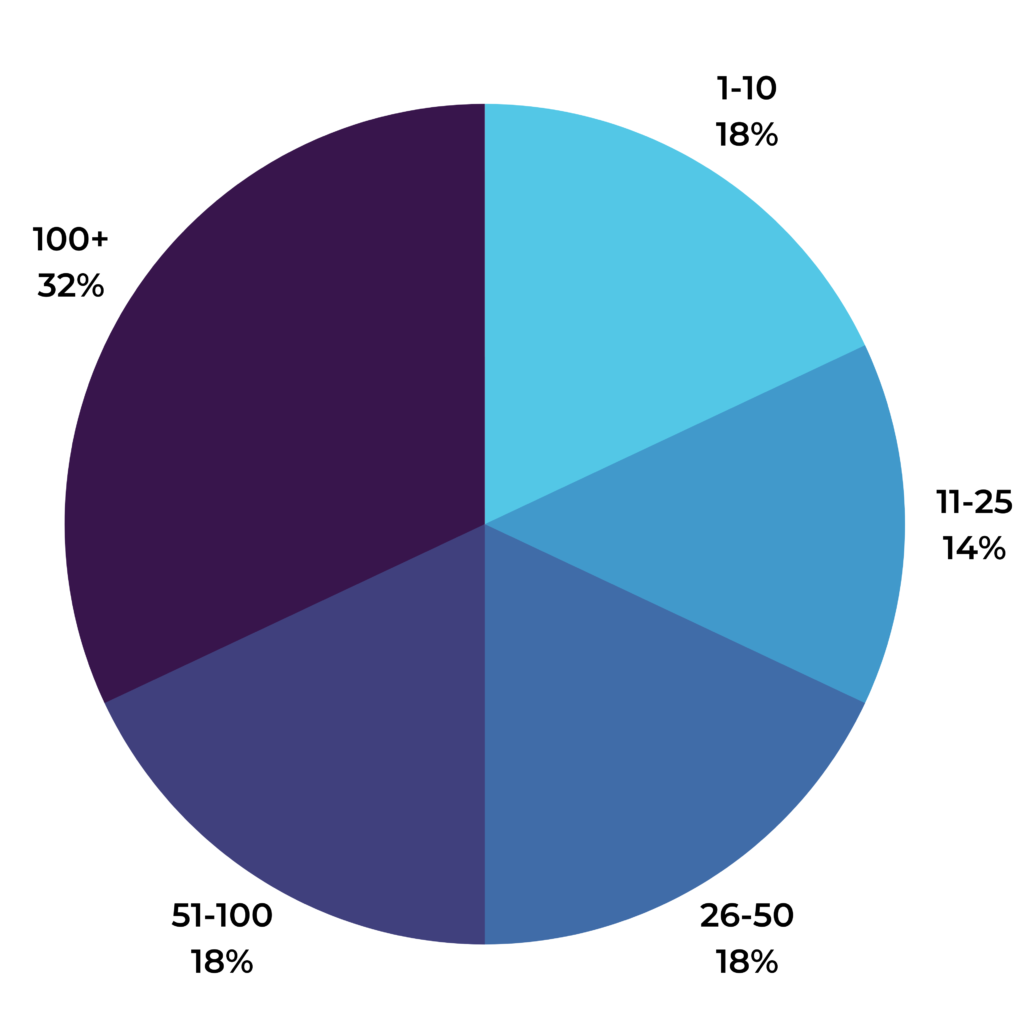
And then information technology's interesting that in an platonic globe, 68% of consumers believe a given review should have 26 or more reviews. 18% experience a product should ideally have betwixt one and 10 reviews, and the remaining fourteen% think betwixt xi-25 reviews is ideal.
Though most consumers read betwixt 1 and 10 reviews, they want plenty more content to be bachelor. This is likely considering they want to exist able to seek out (and find) reviews that are nigh relevant to them.
Consumers expect to notice plenty of reviews about products they're considering. But what'south the minimum number of reviews a product needs to have for them to feel confident making a purchase?
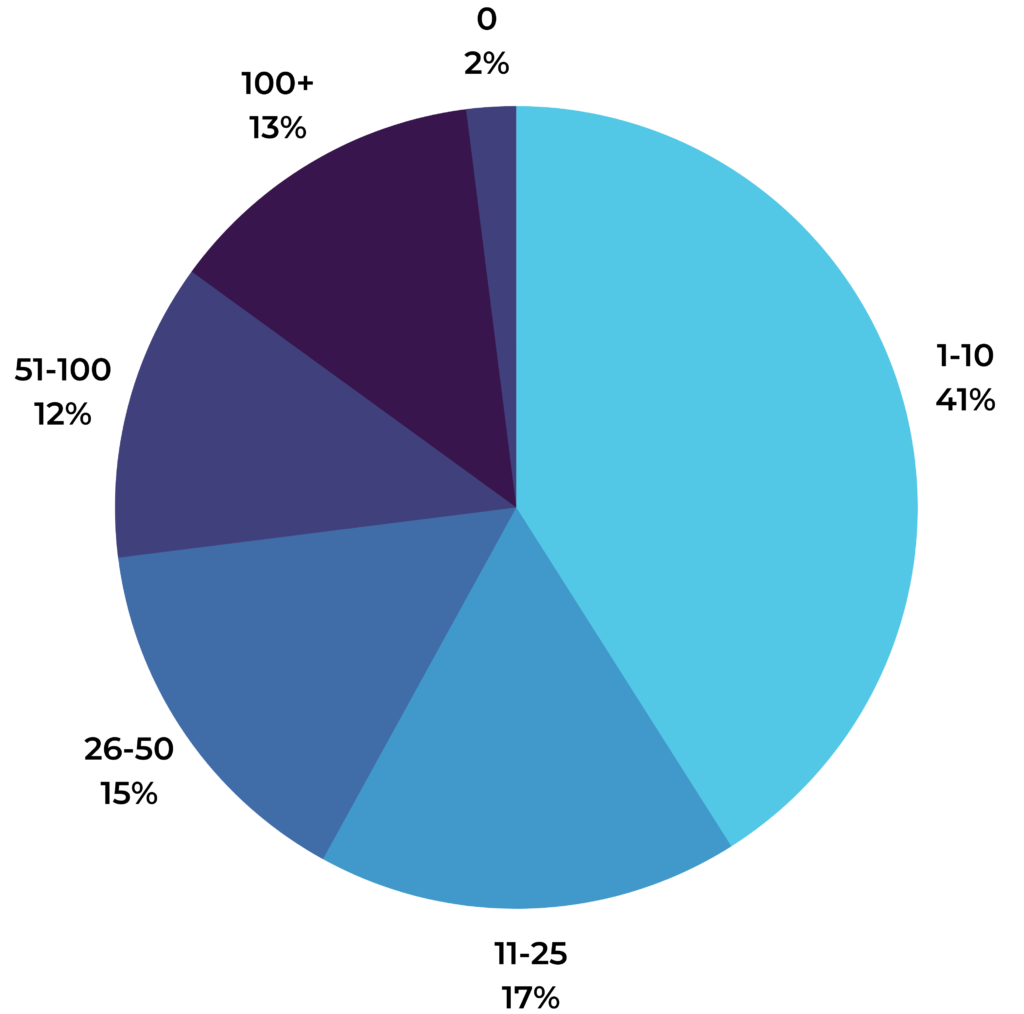
The largest portion of consumers — 41% — bespeak that 1-10 reviews is the minimum needed for them to feel comfortable purchasing a product. 40% say a product must accept at least 26, while 17% betoken eleven-25 is the minimum. The remaining 2% say that 0 is the minimum.
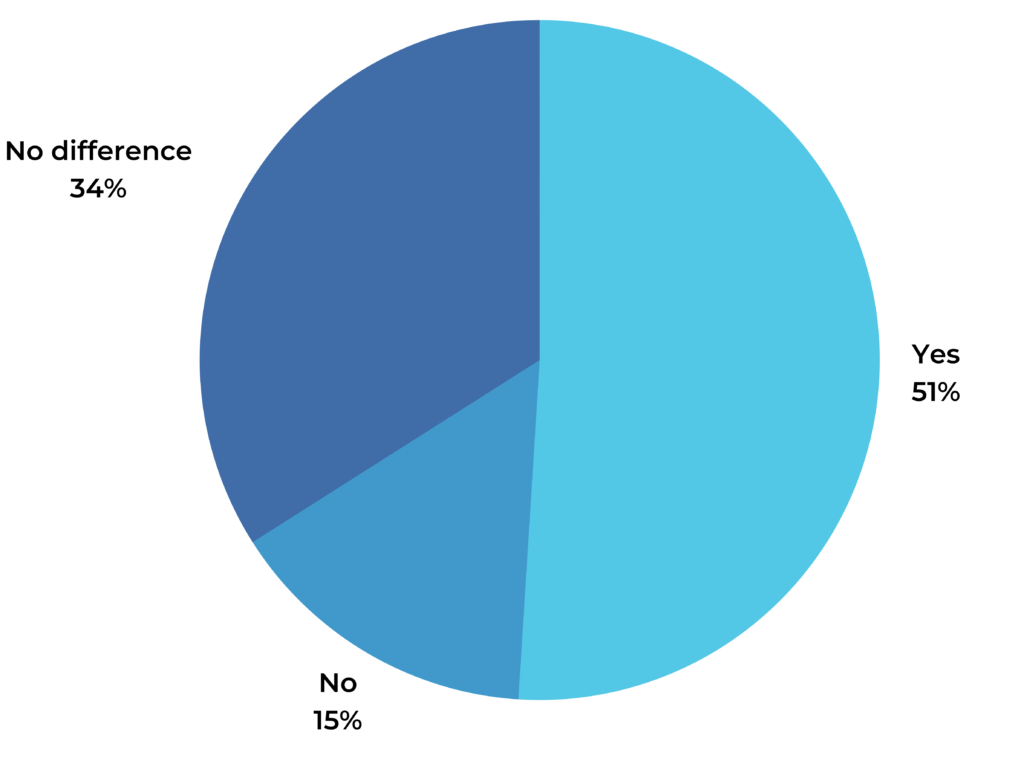
Almost three-quarters (71%) of consumers indicate that the recency of review content is something they consider when reading reviews. Furthermore, 51% admit they'd exist less probable to purchase a product if all the reviews for information technology were over a year old.
For many consumers, older reviews carry less weight. But how recent must reviews be in order for shoppers to consider them relevant?
The biggest portion of shoppers (34%) ideally want to exist able to read review content for a product that is between a week and a month former. And a quarter (25%) desire to discover reviews that are one to three months old. A good number of shoppers have extremely high expectations for fresh review content; 21% ideally want to notice reviews posted within the most recent vii days!
Conspicuously, recency matters. So be sure you have a drove strategy in place to ensure shoppers tin always find fresh, recent review content.
Equally a customer centric business, y'all work difficult to develop great products and experiences. So in an platonic world, all reviews your customers submit would be glowing. Only the world isn't ideal and fifty-fifty the all-time products concenter negative reviews. And as it turns out, that'southward OK. Shoppers seek out negative reviews to brand informed buy decisions. And displaying this content helps you build trust with shoppers.
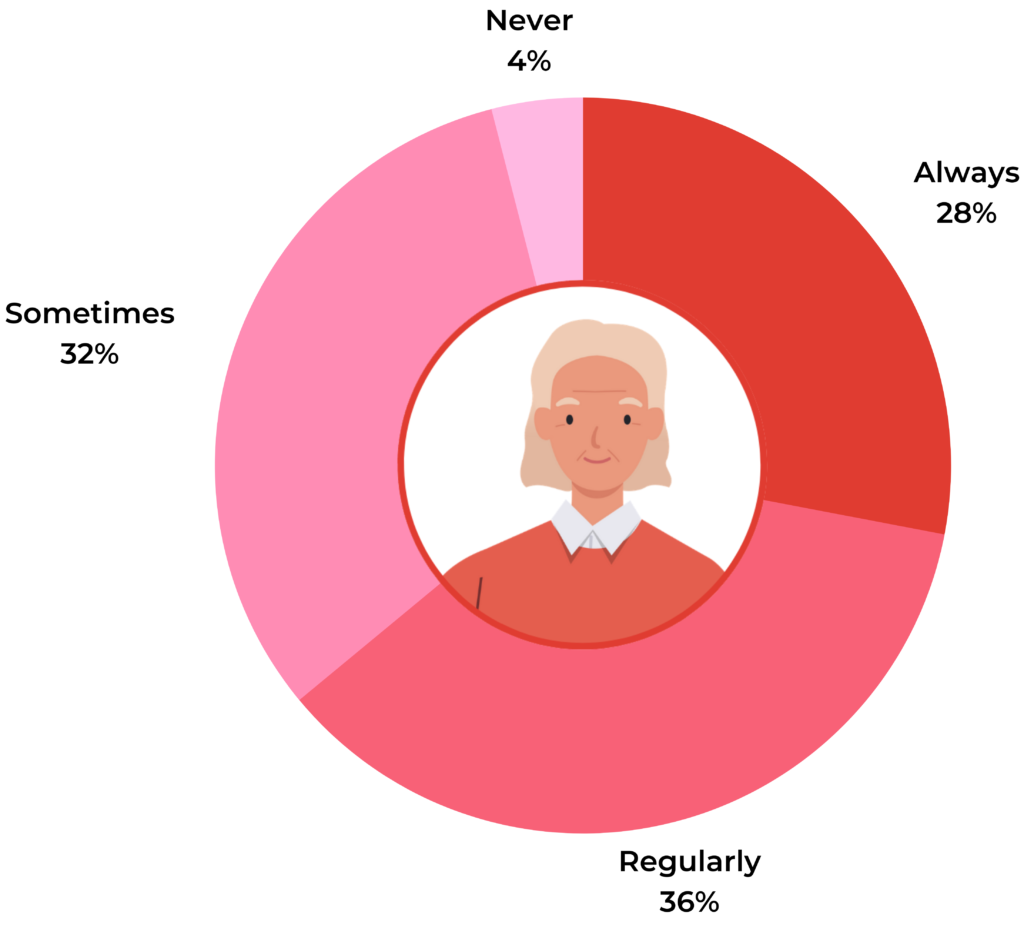
Today, a staggering 96% of consumers specifically seek out negative reviews at to the lowest degree sometimes, compared to 85% in 2018 and 82% in 2014.
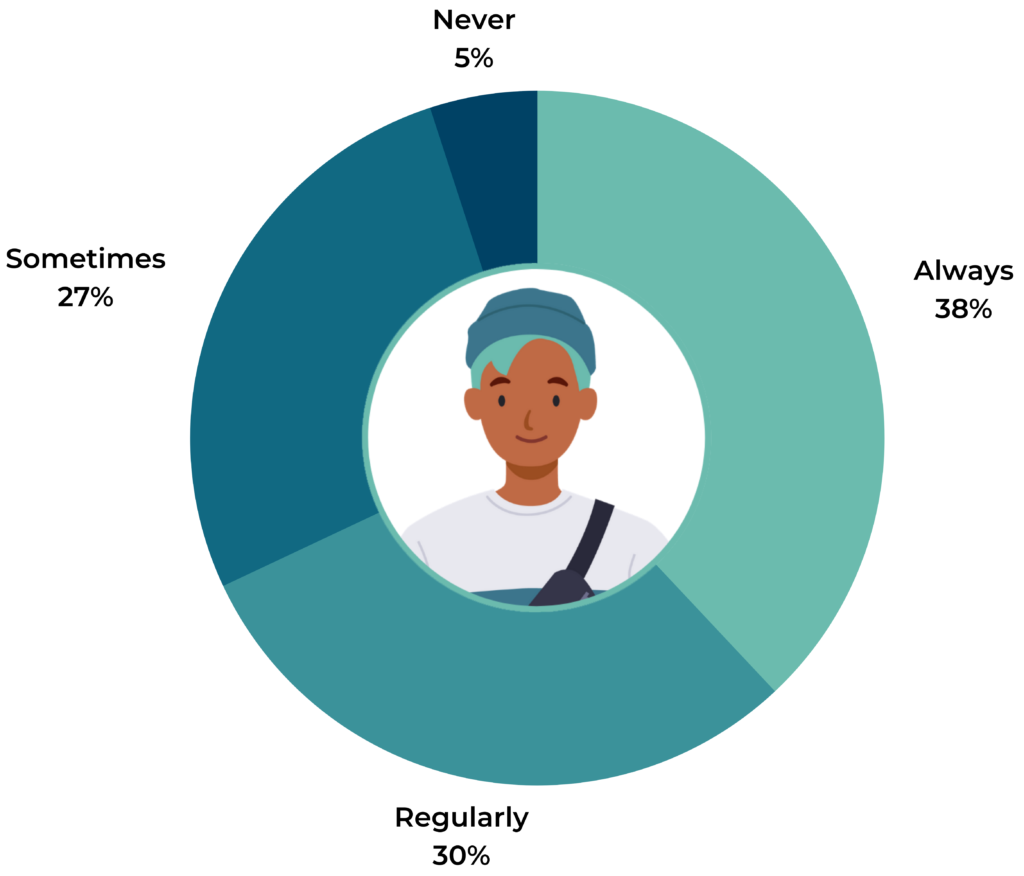
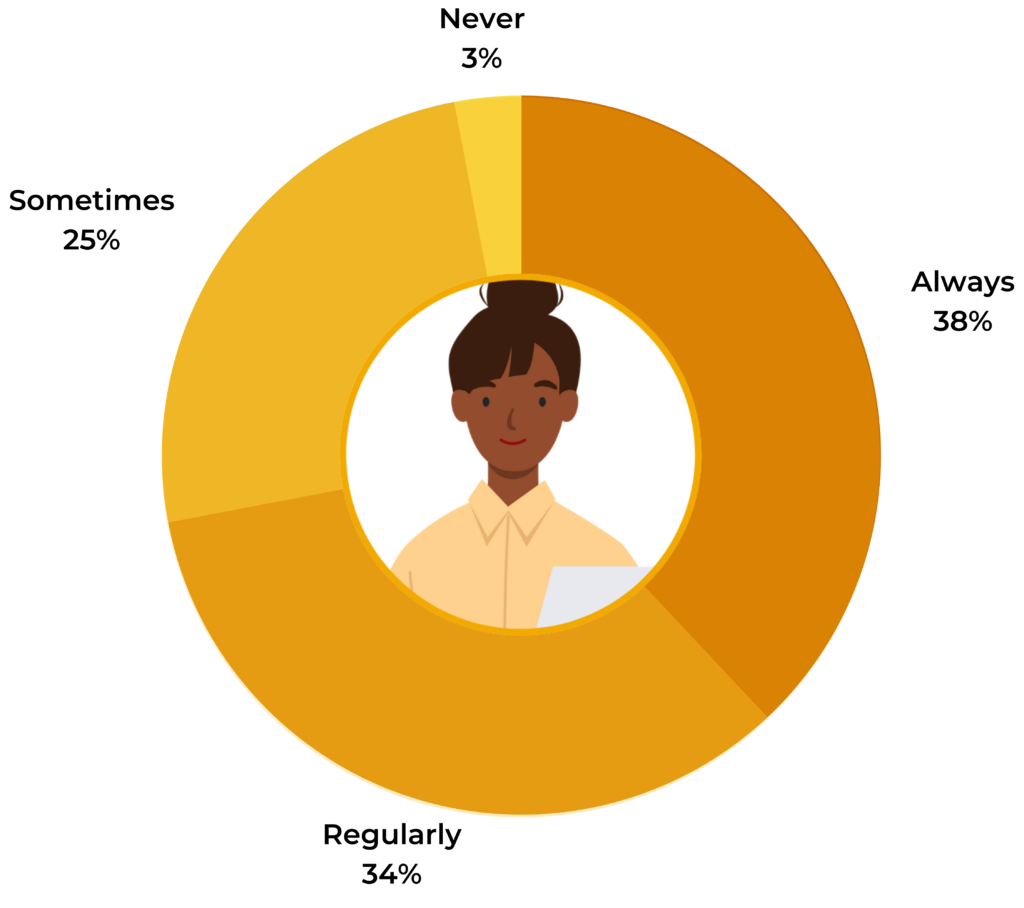
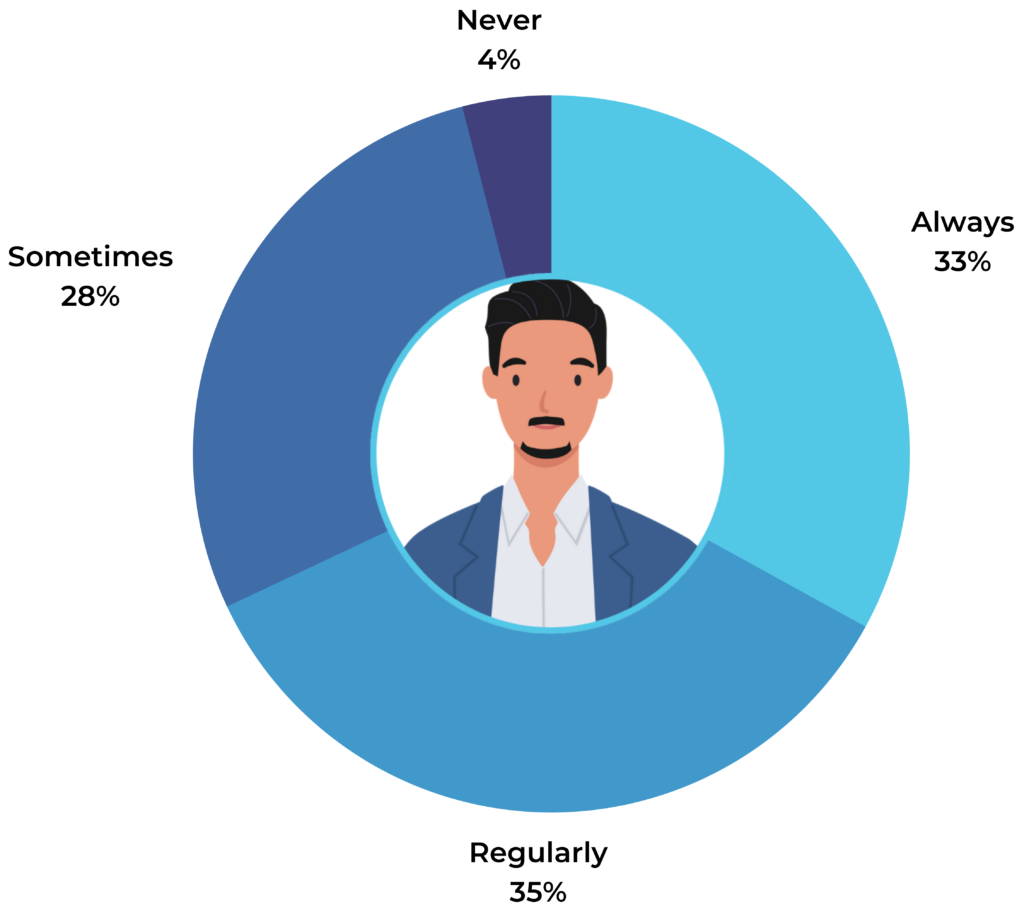
And 69% always or regularly seek out this negative content. Interestingly, Millennial (38%) and Gen Z shoppers (38%) are more than probable to indicate they e'er seek out negative reviews, when compared to Gen Ten (33%) and Boomer (28%) shoppers.
Nearly all shoppers seek out negative reviews to get a counterbalanced expect at what they can expect from a product. What's more than, over half (52%) of consumers explicitly look for 1-star reviews.
It's worth noting that Millennials are the generation nearly likely to look for one-star reviews. threescore% exercise so, compared to 40% of Boomers.
Remember: reading 1-star reviews for a product won't necessarily deter a shopper from making a buy. In fact, if a client determines the worst example scenario isn't a concern, they may buy the product anyhow.
Case in point? Our recent assay of the impact of various UGC features plant that 62.4% of shoppers that collaborate with the star filter characteristic on a review display specifically filter to read only one-star content. And shoppers who do so still convert at a rate that'southward 108.8% higher than the average page visitor!
Our inquiry with Northwestern Academy found that shoppers are most likely to purchase products with an boilerplate star rating between 4.ii and four.5. That'southward because a perfect star rating is perceived equally too good to be truthful.
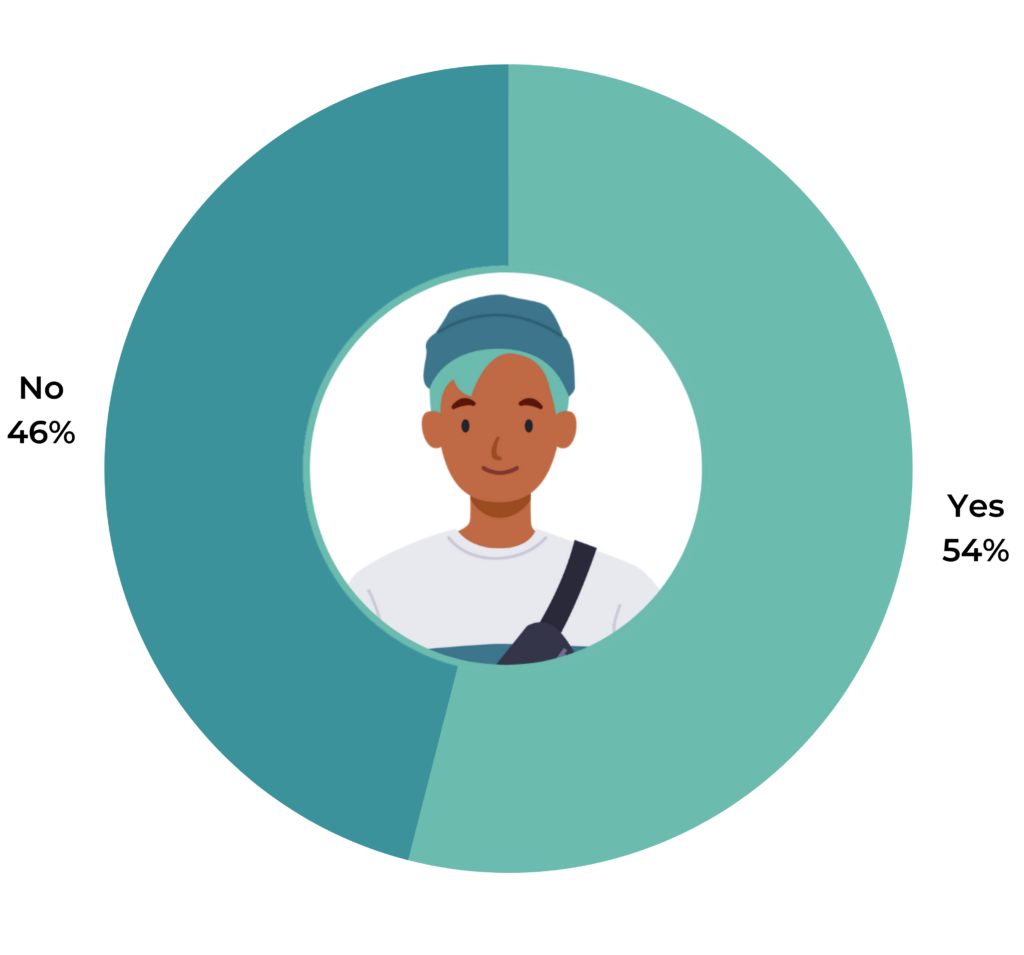
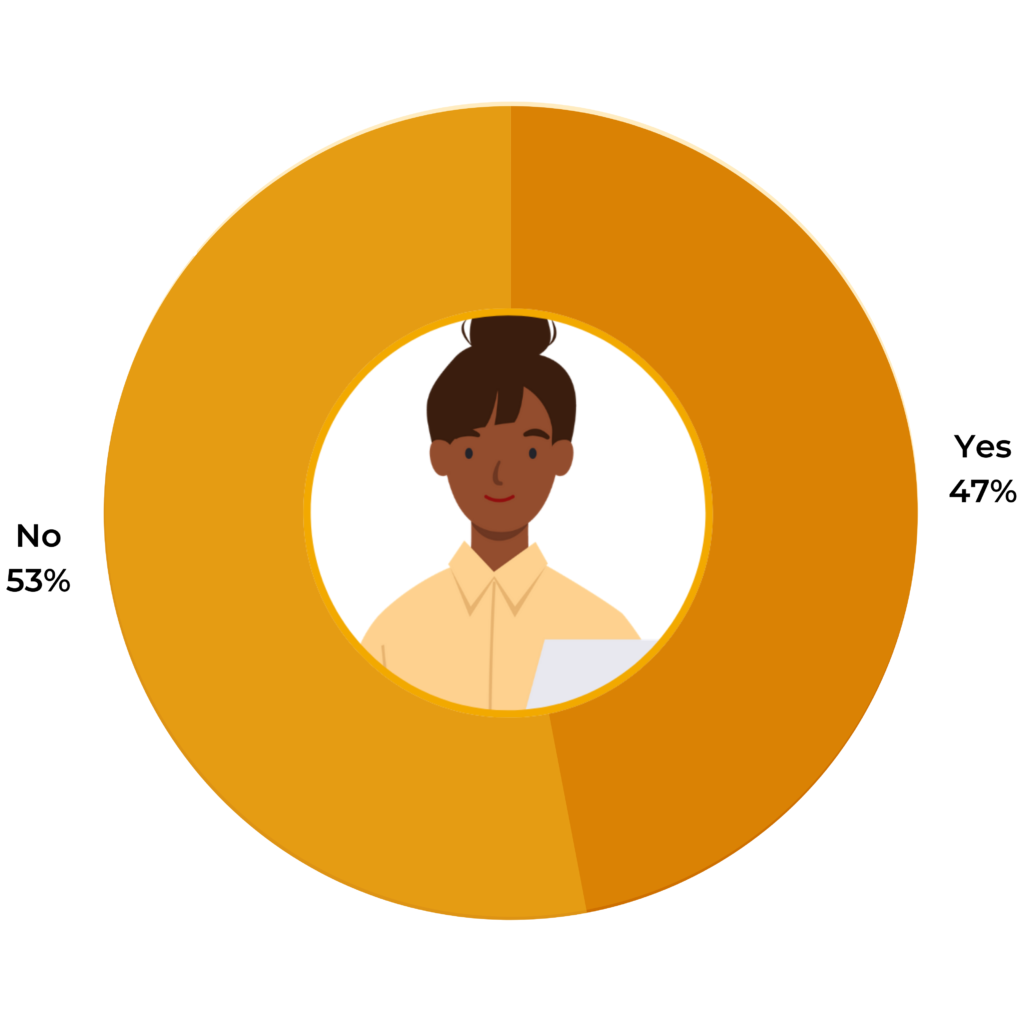
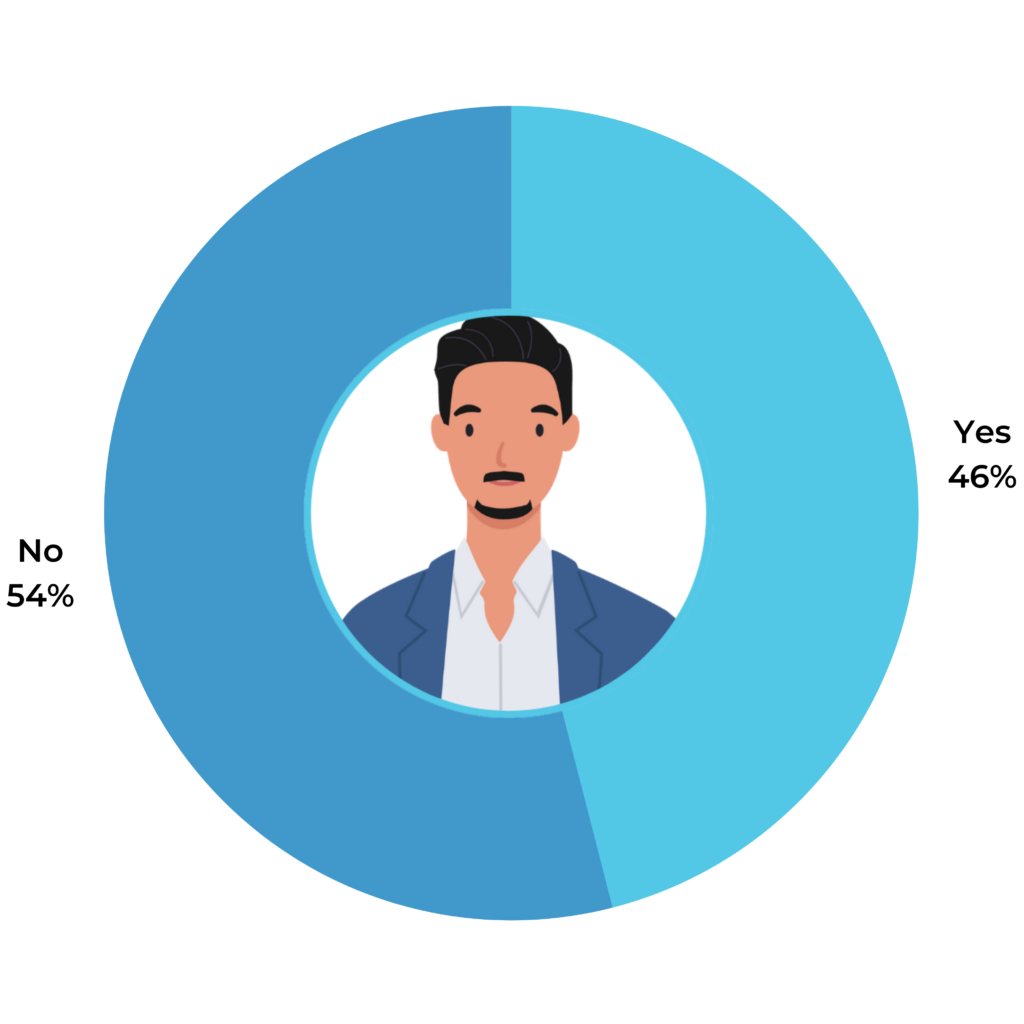
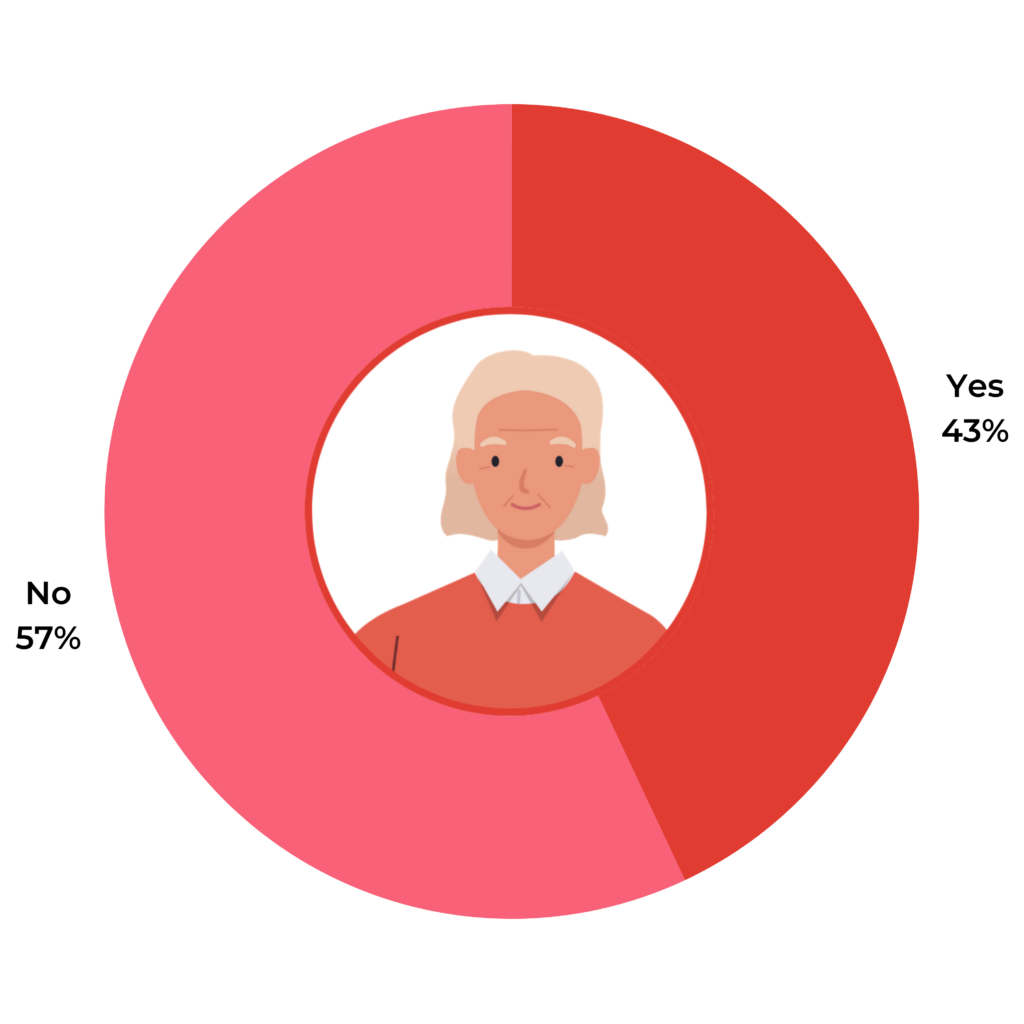
In line with this enquiry, our most contempo survey plant that nearly half (46%) of consumers are suspicious of products with a perfect average star rating (five out of 5). This number is even college — 53% — among Gen Z shoppers.
Resist the temptation to delete negative reviews. Consumers know that a production — no matter how good — can't be all things to all people. By displaying negative reviews, you're letting shoppers know yous have goose egg to hide. And that shows them you're a make they tin trust.
Reviews were one time a novel concept. But today, they're an expected part of the buy journey, whether a consumer is shopping online or inside the four walls of a brick-and-mortar store. Brands and retailers must brand information technology a priority to collect and brandish reviews. If they don't, they'll lose customers to businesses that exercise.
Here are our top six recommendations based on the central findings of this study.













0 Response to "How Many People Look at the Reviews Before Making a Purchase"
Post a Comment